



Many companies understand what a compensation strategy is. The real challenge begins when they try to apply it in real hiring situations.
On paper, the strategy looks solid: clear salary ranges, competitive benefits, and structured compensation planning. But once companies start hiring, negotiating offers, scaling roles, and competing for talent, the execution often falls apart.
Understanding compensation strategy is one thing. Implementing it consistently and effectively is another.
Why Compensation Strategy Often Fails in Real Hiring
Most compensation strategies don’t fail because they’re poorly designed. They fail because they’re hard to execute in real-world hiring.
Common situations include:
- Strong candidates rejecting offers due to compensation misalignment
- Salary bands that don’t reflect current market conditions
- Long internal discussions just to finalize one offer
- Inconsistent compensation decisions across similar roles
Common Challenges When Implementing Compensation Strategy
Here’s a few common challenges that the HR team might face:
1. Lack of Real-time Market Alignment
Compensation strategies are often built on outdated benchmarks. When market conditions shift, companies struggle to adjust offers quickly.
2. Manual Compensation Planning
Spreadsheets and static documents make it hard to maintain consistency, especially when hiring across multiple roles or teams.
3. Inconsistent Decision-making
Without a structured system, compensation decisions depend heavily on individual judgment—leading to unequal offers for similar positions.
4. Scaling Issues
What works for 5 hires doesn’t work for 50. As hiring volume increases, execution becomes harder to control.
When compensation decisions are handled manually, consistency and speed are the first things to break.
How Employer of Record Support Compensation Strategy
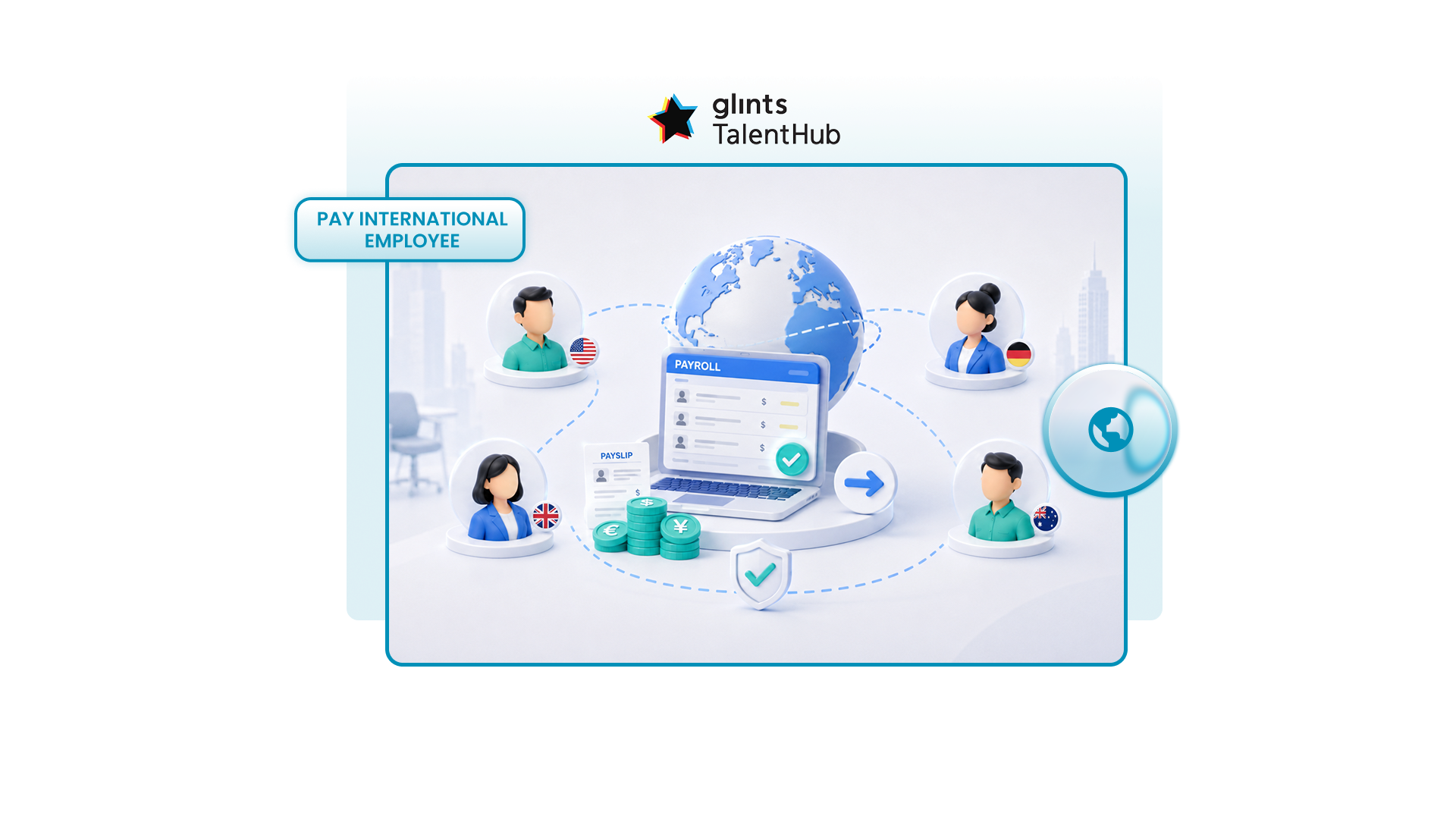
As companies expand across roles, locations, or even countries, executing a compensation strategy becomes more complex. Different labor regulations, market benchmarks, and employment standards can make manual compensation planning increasingly difficult to manage.
This is where solutions like Employer of Record (EOR) are often used. An EOR helps companies handle employment compliance, local payroll, and compensation administration in different regions, without the need to set up a legal entity in each location.
Rather than replacing a company’s compensation strategy, EOR models typically support its execution. They allow teams to apply consistent compensation principles while adapting to local market requirements, helping reduce administrative friction during hiring.
Companies that scale hiring successfully don’t rely on spreadsheets to manage compensation. To handle these challenges, many companies rely on hiring solutions to support their compensation strategy.
From Strategy to Execution: What to Focus On
When implementing a compensation strategy during hiring, companies should prioritize:
- Consistency – similar roles should have similar compensation logic
- Speed – slow offers lead to lost candidates
- Transparency – clear reasoning builds trust internally and externally
- Candidate experience – compensation affects how candidates perceive the company
Final Thoughts
Compensation strategy isn’t just about defining numbers. It’s about making confident, consistent decisions when hiring matters most. A strategy that looks good on paper must also work under real hiring pressure, when timelines are tight and talent competition is high.
A compensation strategy only works if candidates actually say yes. Schedule a consultation with our team regarding the compensation challenges of attracting top talent from Southeast Asia.
This article is brought to you by Glints TalentHub. Leading companies are actively building their borderless teams in Southeast Asia, Taiwan, and beyond. However, the prospect of going borderless can be daunting due to complex regulations and cultural ambiguities. With Glints TalentHub, you’ll have a dedicated team of in-market legal, HR, and talent experts by your side at every step of the way.
Glints TalentHub offers an end-to-end, tech-enabled talent solution that encompasses talent acquisition, EOR, and talent development. We empower businesses to leverage the strengths of regional talent efficiently to build high-performing, cost-efficient teams.
Schedule a no-obligation consultation with our experts to receive a tailored proposal tod