



Talent shortages are becoming a common challenge for companies across industries. As businesses expand, many employers find themselves competing for the same pool of skilled professionals.
The challenge is not only attracting the right people but also building sustainable hiring strategies that keep businesses moving forward. Understanding the causes of talent shortages and applying practical solutions can help organizations stay competitive even in tight labor markets.
The Business Impact of Talent Shortages
When companies cannot find the right talent, the effects often ripple across the organization.
Projects may be delayed because teams lack specialized expertise. Existing employees may experience increased workloads, leading to burnout and reduced productivity. Innovation can also slow down if companies cannot secure the skills needed to support new initiatives.
Talent scarcity can even affect revenue growth. Without the right people in place, businesses may miss opportunities to expand into new markets or launch new products.
7 Ways to Overcome Talent Shortages in 2026
The organizations that succeed in 2026 will be those that rethink where they find talent, how they evaluate candidates, and how they build long term workforce capability. Here are seven practical approaches HR leaders can use to address talent scarcity effectively.
1. Expand Hiring Beyond Local Talent Pools
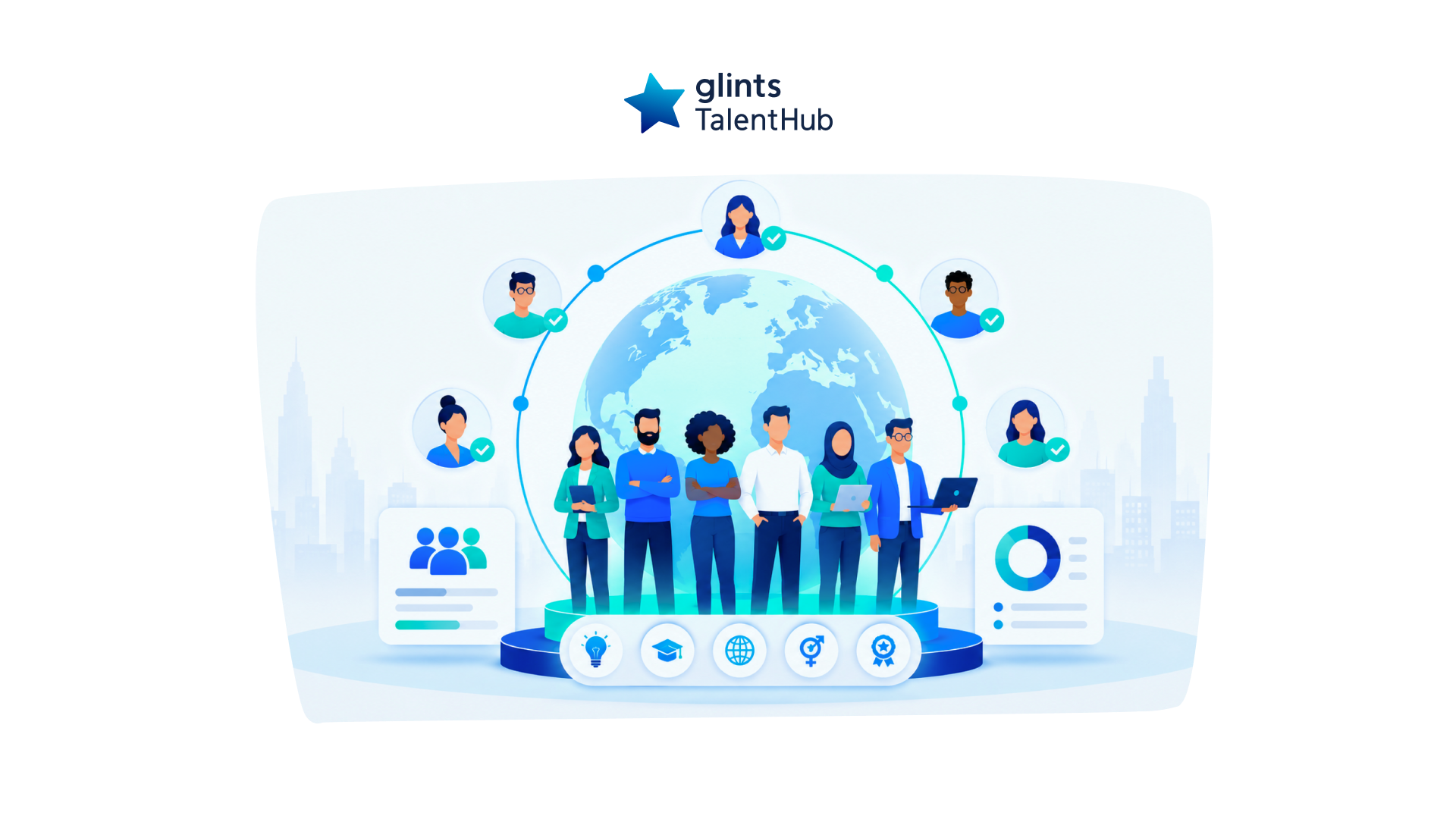
Limiting recruitment to a single city or country can significantly narrow the candidate pipeline. Many companies now build distributed teams by hiring across multiple regions, allowing them to access larger and more diverse talent pools. By expanding geographically, businesses can fill roles faster while maintaining strong quality standards.
2. Use Global Hiring Solutions to Access Talent Faster
Hiring internationally is one of the ways to overcome talent shortages, but it often comes with regulatory and administrative challenges. Employment laws, payroll compliance, tax requirements, and benefits regulations vary significantly across countries.
That’s why many companies partner with Employer of Record providers to simplify this process. An Employer of Record enables organizations to hire employees in other countries without setting up a local legal entity. The provider manages employment contracts, payroll, statutory contributions, and compliance requirements.
3. Adopt Skills Based Hiring
A growing number of organizations are moving away from strict degree requirements and focusing on practical skills instead. Skills based hiring allows companies to evaluate candidates based on their actual capabilities rather than their educational background alone.
4. Strengthen Employer Branding
Top candidates often evaluate multiple opportunities before making a decision. A strong employer brand can make a significant difference in attracting talent. Companies that clearly communicate career growth opportunities, meaningful work, and supportive workplace cultures tend to stand out during the hiring process.
5. Invest in Upskilling and Internal Mobility
Not every skill gap needs to be solved through external hiring. Many organizations are investing in training programs that help employees develop new capabilities and move into higher value roles. Upskilling initiatives can strengthen workforce resilience while also improving employee retention and engagement.
6. Improve Hiring Speed and Candidate Experience
Slow hiring processes often result in companies losing top candidates to faster competitors. Streamlining interview stages, improving communication with applicants, and reducing decision timelines can significantly increase hiring success. A smooth and transparent candidate experience also strengthens employer reputation.
7. Build Talent Pipelines Before You Need Them
Waiting until a role opens before searching for candidates can create unnecessary delays. Forward thinking companies continuously nurture relationships with potential candidates through talent communities, internship programs, and industry networks. This proactive approach helps organizations respond quickly when hiring needs arise.
Final Thoughts
Overcoming talent shortages requires more than filling immediate hiring gaps. It requires a long-term strategy that combines workforce planning, employer branding, internal development, and global hiring capabilities.
Companies that expand their talent search, focus on skills rather than credentials, and invest in employee growth are better positioned to compete in today’s dynamic labor market.
Organizations that treat talent strategy as a core part of business strategy will be able to adapt more quickly to changing workforce trends and continue building high-performing teams in the years ahead.
This article is brought to you by Glints TalentHub. Leading companies are actively building their borderless teams in Southeast Asia, Taiwan, and beyond. However, the prospect of going borderless can be daunting due to complex regulations and cultural ambiguities. With Glints TalentHub, you’ll have a dedicated team of in-market legal, HR, and talent experts by your side at every step of the way.
Glints TalentHub offers an end-to-end, tech-enabled talent solution that encompasses talent acquisition, EOR, and talent development. We empower businesses to leverage the strengths of regional talent efficiently to build high-performing, cost-efficient teams.
Schedule a no-obligation consultation with our experts to receive a tailored proposal today!