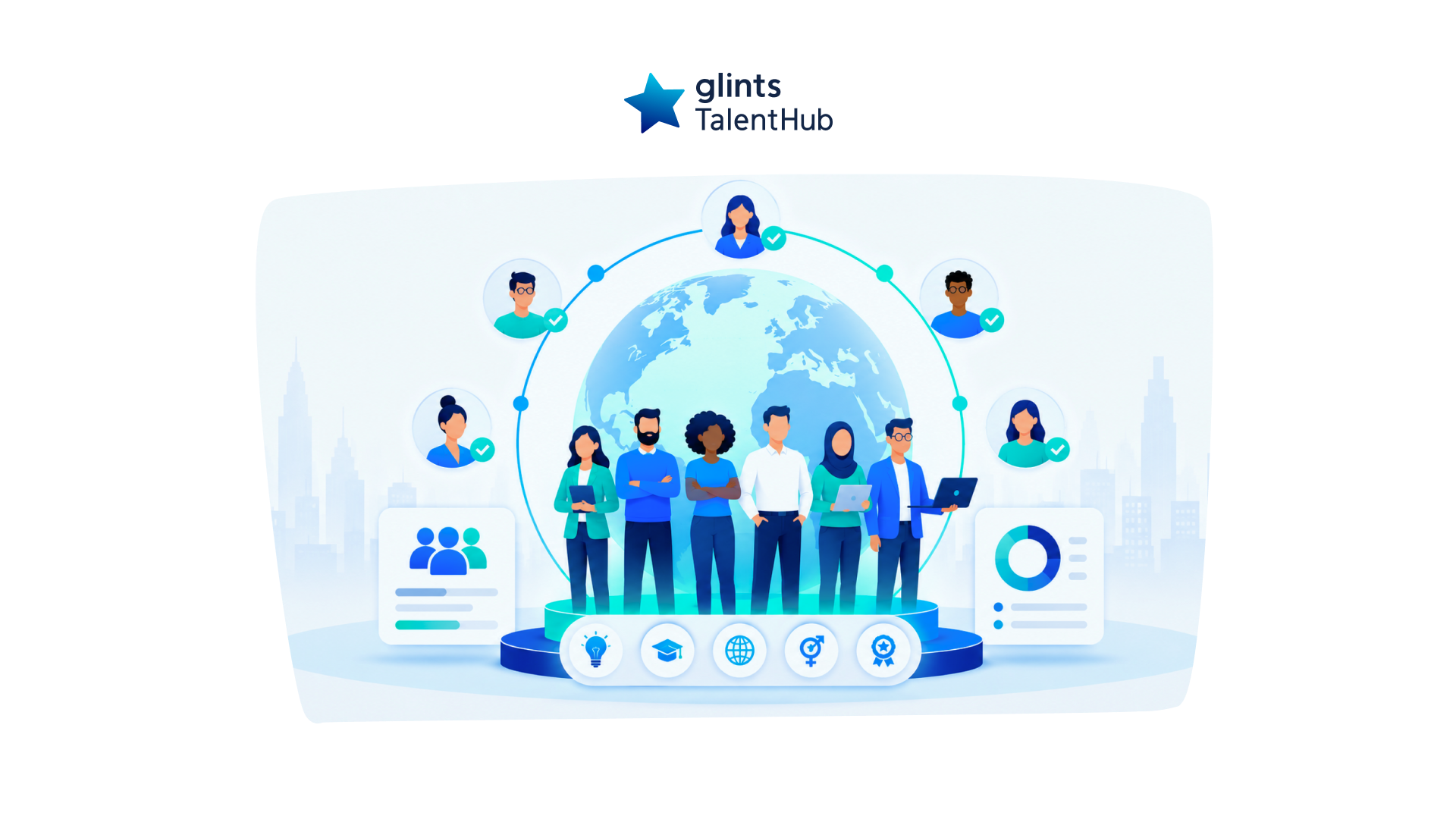




As companies grow across borders, employee relocation often lands on HR desks as a high stakes problem rather than a strategic win. One move can trigger a chain of issues, from visa delays and unclear payroll obligations to unexpected tax exposure and rising relocation costs.
At the same time, employees expect a smooth experience for themselves and their families. Without the right structure, relocation quickly becomes a compliance risk, a budget drain, and a source of frustration for both HR teams and the business.
This guide will walk you through what employee relocation is, why it matters, and how companies and HR teams can manage it successfully.
What is Employee Relocation?
Employee relocation refers to the process of moving an employee from one geographic location to another for work-related reasons. This can be temporary or permanent and may involve domestic or international transfers.
Relocation often includes more than physical movement. It can involve visa processing, housing support, tax planning, payroll adjustments, family assistance, and cultural onboarding.
Types of Employee Relocation
Not all relocation looks the same. Understanding the different types helps HR teams design the right policy.
1. Domestic Relocation
Employees move within the same country, often to support office consolidation, new branches, or project based assignments. Legal and tax complexity is usually lower, but housing, family, and cost of living considerations still apply.
2. International Relocation
Employees move across borders. This involves immigration rules, work permits, local labour laws, payroll compliance, and tax exposure. This is where most HR and compliance risks arise.
3. Temporary Assignment
Employees relocate for a fixed period, such as six months or one year. The employment contract often remains with the home country entity, but host country regulations may still apply.
4. Permanent Transfer
Employees are relocated long term and may transition to a local employment contract in the host country. This often requires full payroll and benefits localisation.
Challenges in Employee Relocation
Despite its benefits, relocation comes with challenges that HR teams must anticipate.
1. High Costs
One of the biggest challenges in employee relocation is the high cost involved. Expenses such as moving services, temporary housing, travel allowances, relocation bonuses, and cost-of-living adjustments can quickly add up.
For international relocations, costs increase further due to visa processing, tax equalization, and compliance requirements. Without clear budgeting and a well-defined relocation policy, these expenses can strain company resources.
2. Employee Resistance
Not all employees are willing or able to relocate. Resistance often arises from personal factors such as family responsibilities, spouse career concerns, children’s education, or lifestyle preferences.
If these concerns are not addressed early, relocation offers may be declined or result in disengaged employees.
3. Cultural and Language Barriers
For international relocations, adapting to a new culture and language can be challenging for employees and their families. Cultural misunderstandings, language difficulties, and differences in workplace norms may affect performance and collaboration.
Without proper cultural training and language support, employees may experience stress and slower adjustment, impacting overall productivity.
4. Legal and Tax Considerations
Employee relocation often involves complex legal and tax obligations, especially across borders. Companies must comply with immigration laws, work permits, employment regulations, and local tax requirements.
Mismanaging these aspects can result in penalties, compliance issues, or unexpected tax burdens for both the employer and the employee. Close coordination with legal and tax experts is essential to ensure a smooth and compliant relocation process.
Best Practices for a Successful Relocation Programme
By following best practices, companies and HR teams can ensure smoother transitions, higher employee satisfaction, and better business outcomes.
1. Establish Clear Relocation Policies
A well-documented relocation policy provides clarity for both employees and HR teams. It should outline eligibility criteria, benefits coverage, budget limits, timelines, and roles and responsibilities. Clear policies help set expectations early and reduce misunderstandings throughout the relocation process.
2. Communicate Early and Transparently
Open communication is critical to relocation success. Employees should receive complete information about the relocation scope, support available, and potential challenges as early as possible. This allows them to make informed decisions and prepare both professionally and personally.
3. Personalized Relocation Support
Relocation needs vary depending on employee level, family status, and assignment duration. Offering flexible or tiered relocation packages ensures that support is relevant and cost-effective. Personalized assistance also increases employee engagement and relocation acceptance rates.
4. Partner with Professional Relocation Providers
Working with experienced relocation service providers helps companies manage logistics, compliance, and local requirements more efficiently. These partners can handle housing, immigration, tax guidance, and cultural support, allowing HR teams to focus on employee experience.
5. Provide Cultural and Language Support
For international relocations, cultural training and language assistance help employees adapt faster to their new environment. This reduces stress, improves workplace integration, and minimizes productivity loss during the transition period.
When to Consider Alternatives to Relocation
Relocation is not always the most efficient or sustainable solution. In many cases, remote work, cross border hiring, or building a local team can deliver the same business outcomes with fewer compliance risks, lower costs, and less disruption for HR and employees.
Instead of relocating existing employees, companies can access experienced local talent who already understand the market, regulations, and working culture. With the right employment structure in place, teams can be onboard quickly without setting up a local entity or navigating complex immigration processes.
You might want to consider employer of record which can simplify the process. From compliant hiring and payroll to ongoing people management across multiple countries, this approach allows you to scale teams where talent is, while keeping compliance and employee experience under control.
This article is brought to you by Glints TalentHub. Leading companies are actively building their borderless teams in Southeast Asia, Taiwan, and beyond. However, the prospect of going borderless can be daunting due to complex regulations and cultural ambiguities. With Glints TalentHub, you’ll have a dedicated team of in-market legal, HR, and talent experts by your side at every step of the way.
Glints TalentHub offers an end-to-end, tech-enabled talent solution that encompasses talent acquisition, EOR, and talent development. We empower businesses to leverage the strengths of regional talent efficiently to build high-performing, cost-efficient teams.
Schedule a no-obligation consultation with our experts to receive a tailored proposal today!