



Hiring in 2026 looks very different from just a few years ago. You’re not just competing for talent anymore. You’re competing across borders, navigating changing regulations, and trying to move fast without breaking compliance.
For many employers, hiring has become one of the biggest blockers to growth. So what’s actually causing the friction?
Let’s break down the real hiring challenges companies are facing and what they mean for your hiring strategy.
What are Employer Pain Points?
Employer pain points are recurring challenges that prevent companies from hiring, managing, and retaining the talent they need. These problems may include limited access to qualified candidates, slow recruitment, rising employment costs, compliance risks, and fragmented workforce operations.
4 Biggest Employers Pain Points in 2026
Here are 4 employers’ pain points that HR leaders need to be aware of in 2026:
1. Talent Shortage in Critical Roles
You’re likely feeling this the moment you open a role. The right candidates are harder to find, and when you do find them, they already have multiple offers on the table.
This is especially visible in roles like tech, sales, and digital functions where demand keeps growing faster than supply. Hiring timelines stretch longer, teams feel understaffed, and business priorities start to slow down.
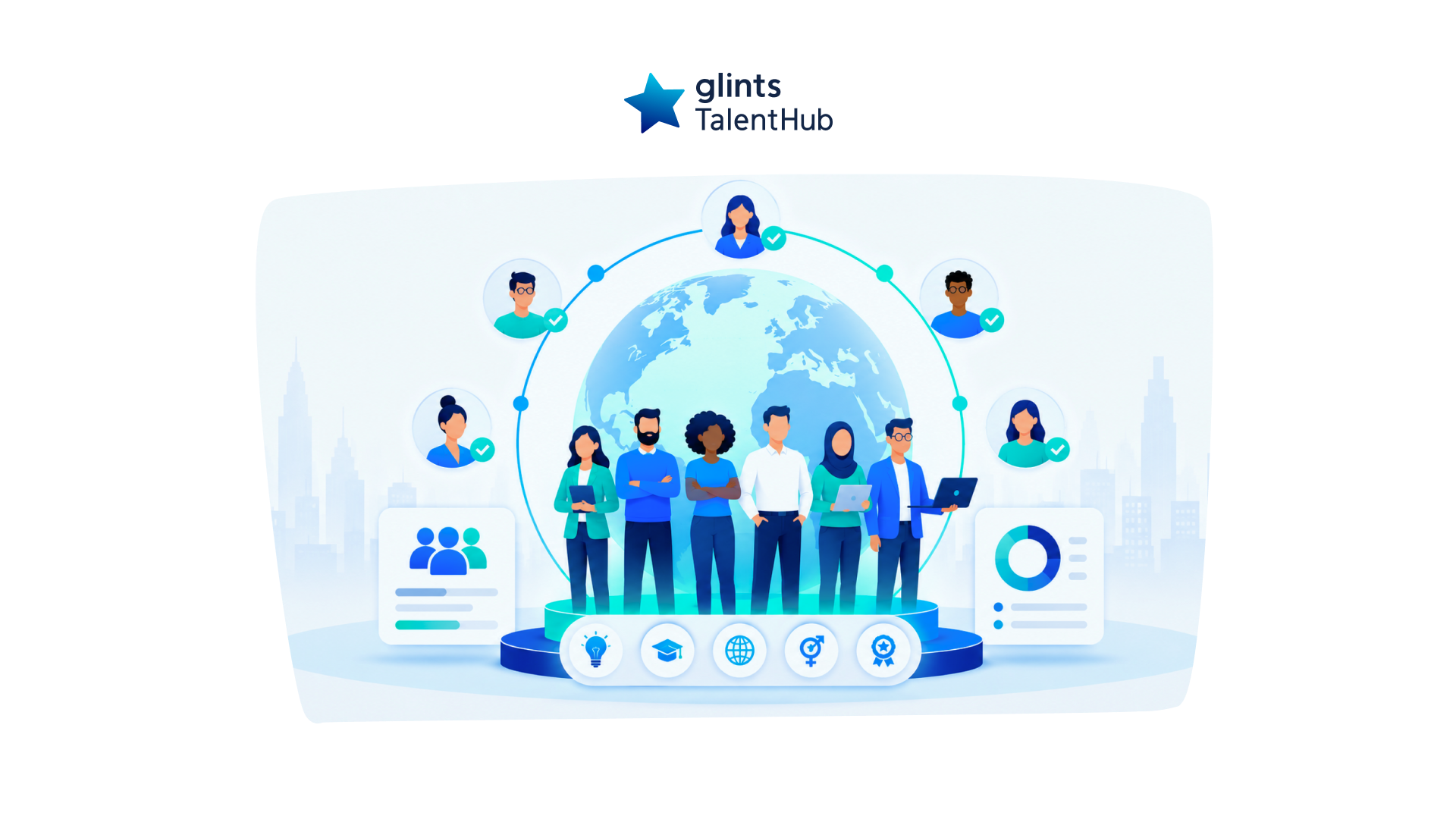
What makes it more challenging is that traditional sourcing channels are no longer enough. If you’re only hiring locally, you’re competing in a smaller, more saturated pool. To solve these problems, you might want to consider having an employer of record as your partners to hire globally.
2. Human Resources & Operational Complexity
Hiring today is not just about finding talent. It comes with layers of operational work that can quickly pile up.
You’re dealing with contracts, payroll setup, tax compliance, benefits administration, and different employment regulations across markets. Even a small mistake, like misclassifying a contractor, can lead to penalties or legal issues.
For companies expanding across borders, this becomes even more complex. Managing multiple vendors for recruitment, payroll, and compliance often leads to inefficiencies and higher costs, making hiring feel heavier than it should be.
3. Workplace & Employee Management Challenges
Once hiring is done, real work begins. Managing a distributed or remote team comes with its own set of challenges
You might be navigating time zone differences, communication gaps, and varying workplace expectations across cultures. Building alignment, maintaining engagement, and creating a strong team culture becomes harder without the right structure in place.
At the same time, employees today expect flexibility, clear communication, and meaningful work. If these expectations are not met, retention becomes a challenge and turnover starts to increase.
4. Performance & Productivity Gaps
Hiring the right talent does not automatically guarantee strong performance. Many companies struggle to maintain consistent productivity, especially as teams scale or go remote.
Common issues include unclear role expectations, lack of performance tracking, and limited visibility into team output. Over time, this leads to inefficiencies, missed targets, and difficulty in measuring ROI on hiring decisions.
How to Overcome These Issue
To address these pain points, companies need to adopt a more strategic and structured approach to hiring, one that balances speed, quality, and candidate expectations.
1. Streamline the Hiring Process
Simplifying the recruitment process is critical in a competitive talent market. Companies should eliminate unnecessary steps, reduce interview rounds, and ensure faster decision-making. More importantly, feedback loops need to be tightened, so candidates are not left waiting.
2. Shift to Skill-based Hiring
Relying solely on academic background or years of experience is no longer enough. Employers should prioritize real, job-relevant skills by incorporating practical assessments, case studies, or task-based evaluations.
3. Invest in Employer Branding
A strong employer brand plays a key role in attracting high-quality candidates. Companies should actively communicate their values, culture, and employee experience through content, social media, and career pages.
4. Leverage Technology Effectively
Technology, especially AI, can significantly improve hiring efficiency when used correctly. From automating CV screening to analyzing candidate data, these tools can help recruiters make faster and more informed decisions. However, it’s important to balance automation with human judgment to maintain a personalized and fair hiring process.
5. Enhance Candidate Experience
Candidate experience is now a key differentiator. Clear communication, transparency throughout the process, and timely updates can leave a lasting impression, even for candidates who are not selected. Respecting candidates’ time and effort helps build a positive reputation and increases the likelihood of future engagement.
Turn Hiring Bottlenecks Into a Scalable Workforce Strategy
When recruitment, onboarding, payroll, and compliance are managed through separate providers, every new hire creates more coordination for your team.
Glints TalentHub brings talent acquisition and Employer of Record support into one unified solution. You can source qualified professionals, hire across borders, onboard employees, manage payroll, and stay aligned with local employment requirements across more than 150 countries.
Conclusion
Employers’ pain points in 2026 are no longer just operational challenges, they are strategic factors that directly impact business success.
Companies that understand and address these issues will gain a competitive edge in attracting and retaining top talent. Those that fail to adapt risk turning hiring into a bottleneck that slows down growth.