



When a key employee leaves unexpectedly, the impact can extend far beyond an empty position. Projects may slow down, important knowledge may disappear, and other employees may need to take on additional responsibilities while a replacement is found.
Replacement planning helps companies prepare for these situations before they happen. It identifies business critical roles, evaluates potential replacements, and creates practical plans to ensure essential responsibilities continue during a transition.
This guide explains what replacement planning is, how it differs from succession planning, and how employers can build an effective replacement plan.
What is Replacement Planning?
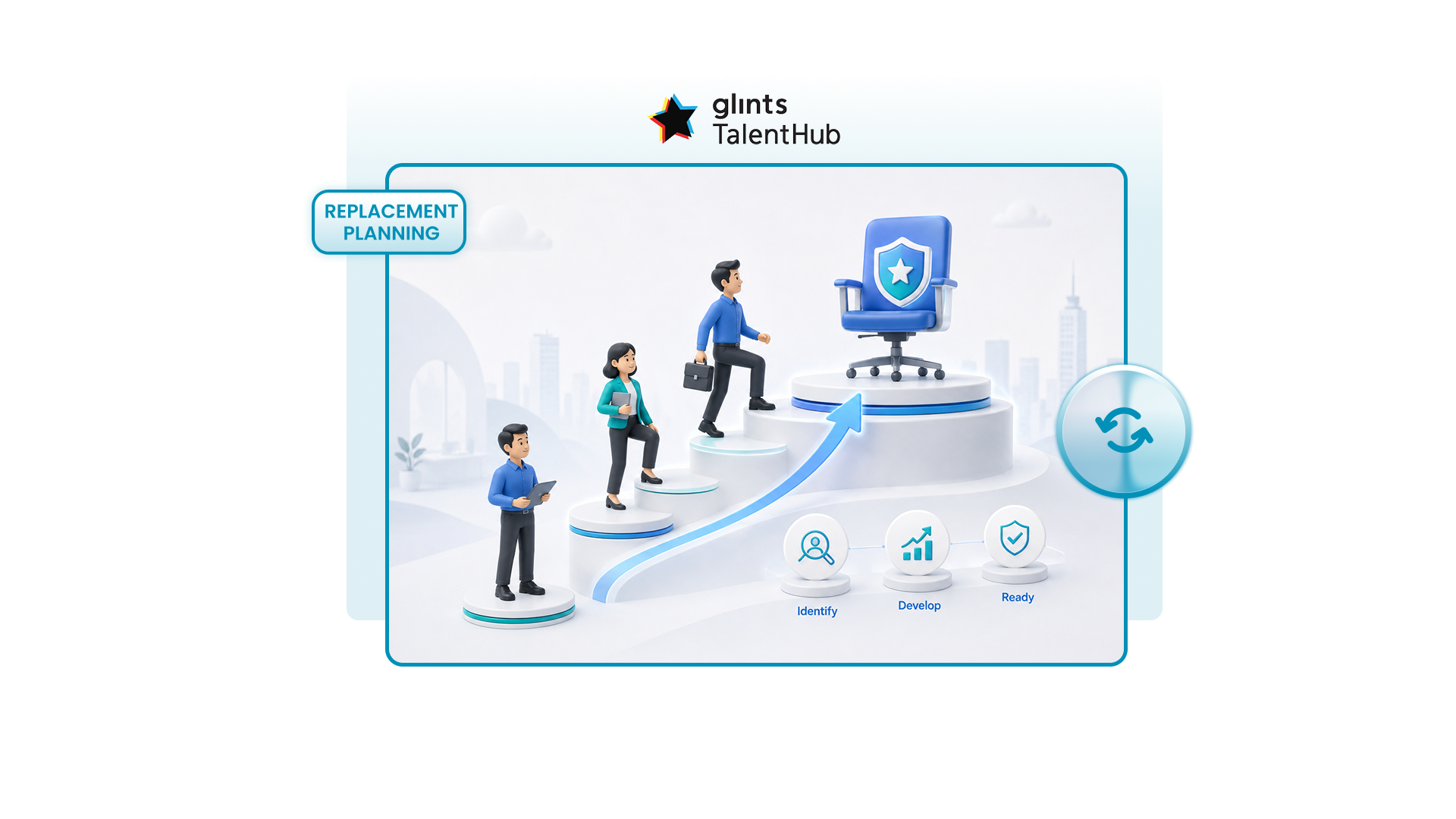
Replacement planning is the process of identifying employees who could temporarily or permanently take over a critical position when the current role holder leaves, becomes unavailable, or moves into another role.
The process typically focuses on positions where an unexpected vacancy could disrupt operations, customer relationships, regulatory responsibilities, or business performance.
A replacement plan may identify:
- The roles that require coverage
- Potential internal replacements
- How ready each replacement candidate is
- Skills or experience candidates still need
- Temporary coverage arrangements
- External recruitment options when no internal candidate is available
Replacement planning gives employers a practical response to immediate workforce gaps. It does not guarantee that an identified employee will receive the position. Instead, it ensures that the company has considered its options and can make a more informed decision when a vacancy arises.
Why is Replacement Planning Important?
Some positions carry responsibilities that cannot be paused while the company searches for a new employee. If the person managing those responsibilities leaves unexpectedly, the business may face delays, lost revenue, compliance issues, or damaged customer relationships.
An effective replacement planning process can help companies:
1. Maintain Business Continuity
Replacement planning ensures that someone is available to manage essential responsibilities when a key employee leaves or becomes temporarily unavailable.
2. Reduce Recruitment Pressure
Without a plan, employers may feel pressured to hire the first available candidate. Identifying potential replacements in advance gives the company more time to evaluate its options and make a suitable appointment.
3. Preserve Institutional Knowledge
Experienced employees often hold valuable knowledge about internal processes, clients, systems, and past decisions. Replacement planning creates opportunities to document and transfer this knowledge before it is lost.
4. Support Employee Development
The process reveals which employees could take on greater responsibilities and what development they need to become ready. This can guide training, mentoring, and internal mobility decisions.
5. Improve Workforce Visibility
Replacement planning helps leaders understand where the organisation has strong internal coverage and where it remains dependent on a single employee.
6. Strengthen Employee Retention
Employees may be more likely to remain with a company when they can see realistic opportunities for growth. Development plans connected to future roles can make career progression more visible and meaningful.
Replacement Planning vs Succession Planning
Replacement planning and succession planning both prepare companies for workforce changes, but they serve different purposes.
Replacement planning focuses on immediate continuity. It answers the question, “Who could take over this role if it became vacant today?”
Succession planning has a broader and longer term focus. It develops employees who may be able to assume leadership or strategically important roles in the future.
A replacement candidate may already be capable of performing most of the role. A succession candidate may need several years of experience, training, or exposure before becoming ready.
Companies can use both approaches together. Replacement planning protects current operations, while succession planning builds a stronger leadership and talent pipeline for future growth.
Which Roles Should Have Replacement Plans?
Not every position requires a formal replacement plan. Employers should prioritise roles where a vacancy would create a significant business risk.
These may include:
- Senior leadership positions
- Roles responsible for major customer or partner relationships
- Positions requiring specialised technical knowledge
- Roles with legal, financial, or regulatory responsibilities
- Positions responsible for critical systems or infrastructure
- Roles that are difficult or time consuming to recruit
- Positions held by employees approaching retirement
- Roles with no clear internal backup
A role does not need to be senior to be critical. An experienced payroll specialist, systems administrator, account manager, or compliance professional may hold knowledge that is difficult to replace quickly.
How to Create a Replacement Plan
1. Identify Business Critical Roles
Begin by assessing which positions would cause the greatest disruption if they became vacant.
Consider the role’s impact on:
- Revenue and customer relationships
- Business operations
- Regulatory compliance
- Decision making
- Internal systems
- Team performance
- Strategic projects
Employers should evaluate the role itself rather than the perceived importance of the person currently holding it.
2. Document Essential Responsibilities
Record the responsibilities, decisions, relationships, and knowledge associated with each critical role.
The documentation should include:
- Core responsibilities
- Regular processes and deadlines
- Decision making authority
- Important internal and external contacts
- Systems and tools used
- Regulatory or compliance obligations
- Current projects
- Access and approval requirements
This information makes it easier for another employee to provide temporary coverage and reduces dependence on knowledge held by one person.
3. Identify Potential Replacement Candidates
Look for employees whose experience, performance, and capabilities align with the role.
A potential replacement does not always need to come from the same department. Employees in adjacent functions may have transferable skills or relevant knowledge.
Candidates should be evaluated consistently. Managers should avoid selecting replacements based only on familiarity, personal preference, or length of service.
4. Assess Candidate Readiness
Each potential replacement can be placed into a clear readiness category.
Ready now
The employee could perform the role immediately with limited support.
Ready within one year
The employee has strong potential but needs additional experience, training, or exposure.
Ready within two or more years
The employee may be suitable in the future but still requires significant development.
Temporary coverage only
The employee can maintain essential operations while the company finds a permanent replacement.
Readiness should be based on evidence rather than assumptions. Performance reviews, skills assessments, project outcomes, and feedback from relevant stakeholders can support the evaluation.
5. Create Individual Development Plans
Once potential replacements have been identified, employers can help them close specific capability gaps.
Development activities may include:
- Managing a larger project
- Participating in leadership meetings
- Working across different functions
- Shadowing the current role holder
- Receiving coaching or mentoring
- Completing technical or leadership training
- Managing important customer relationships
- Taking responsibility during planned absences
The development plan should connect each activity to a skill or experience required for the potential future role.
6. Establish Temporary Coverage Arrangements
Even when a permanent candidate has been identified, the company may need temporary coverage while the appointment is reviewed or approved.
The plan should specify:
- Who assumes immediate responsibility
- Which decisions they can make
- Who provides support or oversight
- How customers and employees will be informed
- Which responsibilities can be delayed or reassigned
- When external recruitment should begin
Clear temporary arrangements can prevent confusion during the first days of an unexpected vacancy.
7. Consider External Hiring Options
Some critical roles may not have a suitable internal replacement. In these cases, the replacement plan should include an external recruitment strategy.
Employers can prepare by:
- Defining the skills required for the role
- Reviewing suitable talent markets
- Building relationships with potential candidates
- Estimating the expected recruitment timeline
- Considering remote or international talent
- Reviewing employment and compliance requirements
- Identifying interim professionals or consultants
Planning ahead allows the company to begin recruitment with a clearer brief and a broader view of the available talent pool.
8. Review The Plan Regularly
A replacement plan can quickly become outdated. Employees leave, develop new capabilities, change career interests, or move into other positions.
Employers should review replacement plans at least once a year and whenever there is a major organisational change.
The review should confirm:
- Whether each role is still critical
- Whether identified candidates remain suitable
- Whether candidate readiness has changed
- Whether development activities have been completed
- Whether new workforce risks have emerged
- Whether external market conditions have changed
Common Replacement Planning Challenges
1. Focusing Only on Senior Leaders
Leadership positions are important, but operational and specialist roles can be equally critical. Companies should assess business impact across every level of the organisation.
2. Depending on One Replacement Candidate
A single candidate may resign, decline the opportunity, or no longer be suitable when the vacancy occurs. Where possible, employers should identify more than one option.
3. Assuming Employees Want The Role
A high performing employee may not want to manage people, relocate, or take on additional responsibilities. Career conversations can help employers understand each candidate’s interests without making promises about promotion.
4. Confusing Strong Performance with Future Readiness
Success in a current position does not automatically mean an employee is ready for a larger or different role. Employers should consider the specific capabilities required for the potential position.
5. Failing to Address The Candidate’s Current Role
Promoting one employee can create another vacancy. Replacement planning should consider the wider impact of every internal move.
6. Treating The Plan as a Final Decision
A replacement plan supports decision making, but it should not replace a fair selection process. Business requirements, employee performance, and candidate availability may change before the role becomes vacant.
7. Allowing The Plan to Become Outdated
Old plans can create false confidence. Regular reviews are necessary to keep candidate information, readiness assessments, and coverage arrangements accurate.
How to Measure Replacement Planning Effectiveness
Employers can monitor whether replacement planning is reducing workforce risk through measures such as:
- Percentage of critical roles with identified replacements
- Percentage of critical roles with at least one ready candidate
- Time required to fill critical vacancies
- Percentage of critical roles filled internally
- Progress against candidate development plans
- Retention rate of high potential employees
- Number of roles dependent on one employee
- Business disruption following a critical departure
These measures should be interpreted carefully. A high internal appointment rate is not always the goal. The strongest decision may still be to recruit externally when the company needs different experience or capabilities.
How Replacement Planning Supports Global Teams
Replacement planning becomes more complex when employees are distributed across countries.
A company may identify a strong replacement candidate in another market, but the move could involve employment contracts, payroll changes, benefits, tax obligations, immigration requirements, or local labour regulations.
Employers should therefore assess both candidate readiness and the practical requirements of appointing the person in a particular country.
A global approach can also expand the replacement pool. Instead of limiting the search to employees in one office, companies can consider qualified professionals across multiple markets. This creates more options for critical roles while supporting internal mobility and workforce resilience.
Build a More Resilient Global Workforce with Glints TalentHub
Replacement planning helps you prepare for critical workforce changes, but an effective plan also requires access to the right talent and employment infrastructure.
Glints TalentHub helps companies source, hire, onboard, pay, and manage professionals across markets through one unified talent operations solution. If no suitable internal replacement is available, you can access a wider talent pool while receiving support with local employment, payroll, benefits, and compliance.
With stronger internal coverage and broader external hiring options, you can respond to workforce changes faster while protecting business continuity.
Speak with Glints TalentHub to build and manage a more resilient global team.