



Hiring today is no longer about who applies first. The best candidates are often already employed, performing well, and not actively scrolling job boards. If you rely only on inbound applications, you are competing for a smaller and often more junior pool.
Passive candidate recruitment helps you reach professionals who are not looking for a job but are open to the right opportunity. These candidates tend to bring stronger skills, clearer career direction, and better long term retention.
What is Passive Candidate?
Passive candidates are professionals who are currently employed and not actively applying for new roles. They may still be open to conversations when the role aligns with their career goals, growth plans, or work preferences.
According to LinkedIn Talent Solutions, more than 70 percent of the global workforce is passive talent. That means most high quality candidates will never see your job ad unless you go to them.
Why Companies Should Focus on Passive Candidates
Here’s why this approach delivers stronger results:
1. Higher Quality Hires
Passive candidates are often already employed and performing well in their current roles. They are not urgently searching for a job, which means their career moves tend to be intentional and growth-driven rather than reactive.
Because they are typically top performers with proven experience, companies that invest in passive candidate recruitment often gain access to stronger skill sets, deeper expertise, and higher long-term performance outcomes.
2. Reduced Competition
Active job seekers are visible to everyone. When a candidate applies to a job post, companies may review similar profiles.
With passive candidates, competition is significantly lower. Since they are not actively applying, your outreach may be one of only a few opportunities presented to them. This gives you a strategic advantage and increases the chances of building meaningful conversations without entering a bidding war.
3. Better Cultural Fit
Passive recruitment allows for more targeted sourcing. Instead of filtering through large volumes of applicants, recruiters can intentionally identify professionals who align with the company’s values, leadership style, and long-term vision.
This proactive approach enables deeper evaluation before engagement, resulting in hires who are not only technically qualified but also culturally aligned. Strong cultural fit improves retention, engagement, and overall team performance.
4. Stronger Long-Term Hiring Pipeline
Passive candidate recruitment is relationship-driven. Even if a candidate is not ready to move today, maintaining periodic engagement builds a future-ready talent pool.
Over time, this creates a sustainable hiring pipeline where roles can be filled faster and with higher-quality talent. Rather than starting from scratch whenever a vacancy opens, companies already have warm connections they can activate immediately.
How to Find a High Quality Passive Candidate
Since they are not actively applying for jobs, recruiters need to leverage existing networks, internal resources, and digital platforms to identify and engage in the right talent.
1. Existing Candidate Database
Your existing candidate database is one of the most valuable yet underutilized resources. Previous applicants, silver medalists, or candidates who performed well in past interview processes may now have stronger experience and be more open to new opportunities.
Regularly updating and segmenting your database by skills, experience level, and industry allows you to quickly identify relevant profiles when new roles open. Instead of starting from zero, you activate a warm pool of pre-qualified talent.
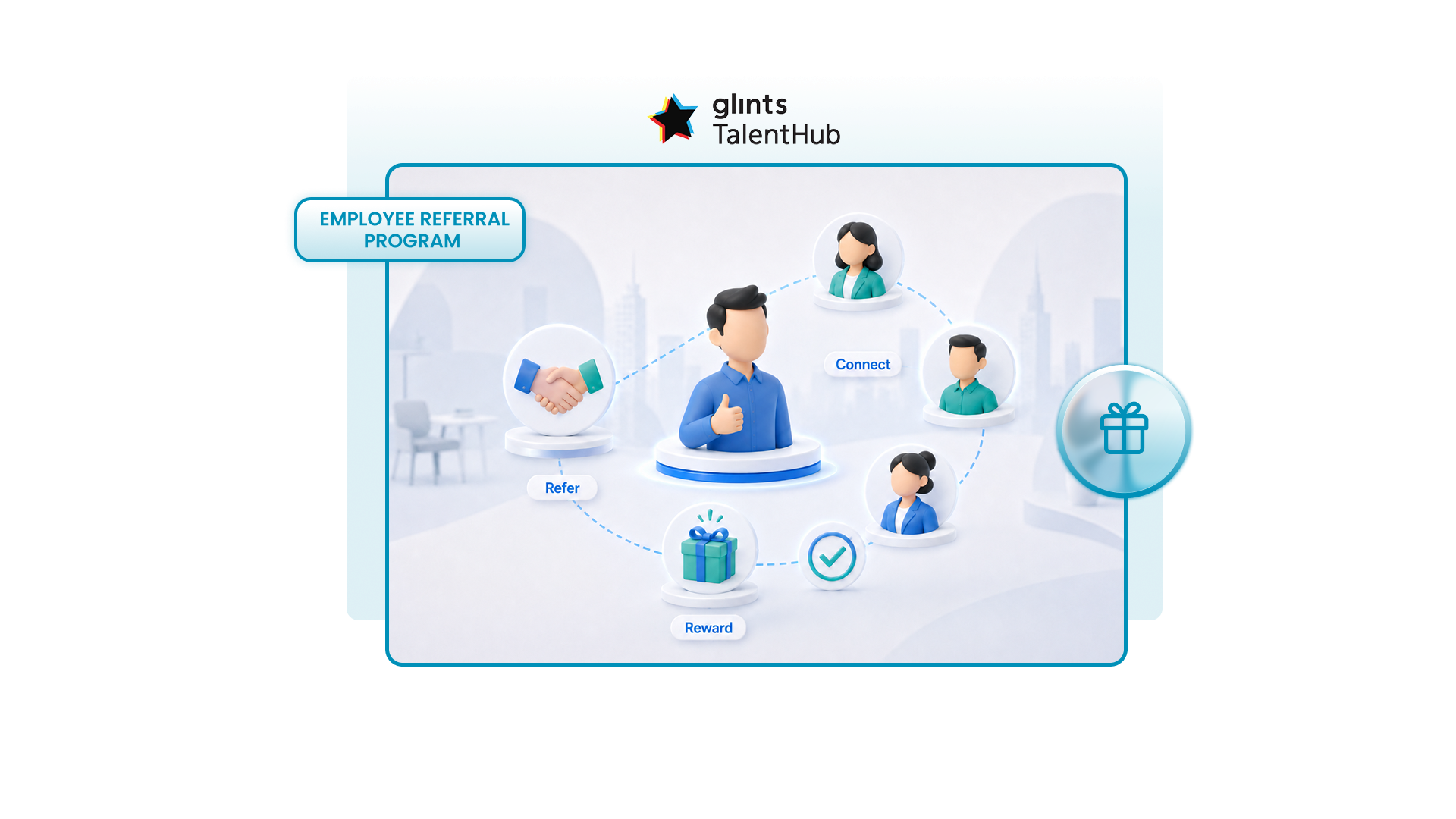
2. Ask Current Employees for Referrals
High-performing employees often know other high performers within their professional networks. Encouraging structured referral programs can significantly increase your access to passive candidates.
Employee referrals tend to result in:
- Higher response rates
- Faster hiring cycles
- Better cultural alignment
Because referrals come with built-in trust, passive candidates are more likely to engage in conversations when introduced by someone they know.
3. Online Channels and Social Media
Professional platforms such as LinkedIn, industry communities, and niche forums are powerful tools for identifying passive talent. Instead of waiting for applications, recruiters can proactively search for professionals with specific skills, achievements, or career trajectories.
Effective strategies include:
- Using advanced search filters and Boolean queries
- Engaging with candidates’ content before outreach
- Personalizing connection requests
- Participating in industry discussions
Consistent engagement increases visibility and makes future outreach more natural and effective.
4. Using Employer of Record
Passive candidates are careful about change. They want stability, clear benefits, and legal certainty before considering a move.
An Employer of Record helps reduce that uncertainty. It ensures locally compliant contracts, proper statutory contributions, and accurate payroll in the candidate’s home country. This reassures experienced professionals that their employment is secure and structured properly.
When compliance and administration are handled smoothly, your conversation can focus on growth, impact, and long term opportunity rather than legal concerns.
Want to see how this works in practice? Explore how TalentHub simplifies compliant hiring and supports seamless onboarding
Strategies for Passive Candidate Recruitment
Since these professionals are not actively searching for new roles, companies must create meaningful touchpoints that build interest gradually rather than pushing immediate job offers.
1. Build a Strong Employer Brand
Passive candidates will evaluate your company long before responding to outreach. A strong employer brand builds trust and curiosity.
This goes beyond posting vacancies. Share insights about leadership, team culture, career progression, and real employee experiences. Publish thought leadership, highlight impactful projects, and maintain consistent communication across professional platforms.
When your company is perceived as credible, transparent, and growth-oriented, passive candidates are more open to conversations.
2. Activate Internal Networks Strategically
Your current employees are powerful connectors to untapped talent. Instead of relying only on formal referral programs, encouraging ongoing networking conversations within teams.
High performers often surround themselves with other capable professionals. Structured incentives help, but clarity of vision and shared hiring goals matter even more.
3. Craft Tailored and Relevant Communication
Generic outreach rarely captures the attention of passive professionals. Effective engagement requires personalization rooted in research.
Reference specific achievements, career milestones, or industry contributions. Align the opportunity with their long-term goals rather than simply listing job responsibilities.
Keep the message concise, respectful, and value-driven. The objective is not immediate conversion, but initiating a thoughtful and mutually beneficial dialogue.
4. Develop Long-Term Professional Relationships
Not every passive candidate is ready to move immediately and that’s expected. Sustainable recruitment success comes from consistent relationship management.
Engage periodically through relevant updates, industry discussions, or knowledge sharing. Stay visible without being intrusive. Over time, familiarity builds trust, and trust increases the likelihood of future acceptance.
Passive candidate recruitment is less about quick placements and more about building a reliable talent ecosystem for the future.
Final Thoughts
Passive candidate recruitment is not about convincing someone to leave their job. It is about presenting a clearer and more compelling future.
When you lead with relevance, respect, and long term value, high quality talent is far more willing to listen.
In a market where the best people are rarely applying, your ability to reach them thoughtfully becomes a true competitive advantage.
This article is brought to you by Glints TalentHub. Leading companies are actively building their borderless teams in Southeast Asia, Taiwan, and beyond. However, the prospect of going borderless can be daunting due to complex regulations and cultural ambiguities. With Glints TalentHub, you’ll have a dedicated team of in-market legal, HR, and talent experts by your side at every step of the way.
Glints TalentHub offers an end-to-end, tech-enabled talent solution that encompasses talent acquisition, EOR, and talent development. We empower businesses to leverage the strengths of regional talent efficiently to build high-performing, cost-efficient teams.
Schedule a no-obligation consultation with our experts to receive a tailored proposal today!