


The traditional office model is changing. As more companies adopt hybrid work arrangements, employees are no longer expected to sit at the same desk every day. Instead, many organizations are introducing hot desking to make better use of their office space and give employees greater flexibility.
Hot desking can reduce unused workspace, encourage collaboration, and support a more flexible employee experience. However, it can also create frustration when desks are unavailable, equipment is inconsistent, or employees no longer feel connected to their workplace.
What is Hot Desking?
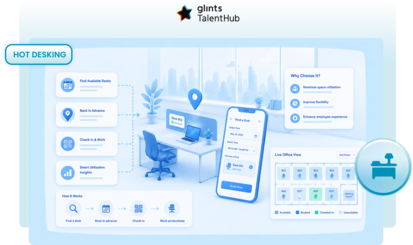
Hot desking is a workplace arrangement in which employees do not have permanently assigned desks. Instead, they choose an available workstation when they arrive at the office.
Employees may select a desk on arrival or reserve one in advance through a workplace booking platform. Depending on the company, employees may also be able to book meeting rooms, collaboration areas, quiet spaces, and other shared facilities.
Hot desking is commonly used by companies with hybrid, remote, or flexible work policies. Since not every employee is in the office at the same time, companies can provide fewer desks than their total number of employees.
Why Are Companies Adopting Hot Desking?
Hybrid work has changed how frequently employees use the office. In many workplaces, assigned desks remain empty for much of the week because employees work remotely, visit clients, travel, or attend the office on different schedules.
Hot desking helps companies align their workspace with actual office attendance. Instead of maintaining one desk for every employee, organizations can create a smaller and more adaptable office environment.
Companies may also use hot desking to support several broader workplace goals, including:
- Reducing unused office space
- Supporting hybrid work arrangements
- Encouraging interaction between teams
- Giving employees more choice over where they work
- Adjusting office capacity as the workforce grows
The effectiveness of hot desking depends on how well the system reflects employee needs and working patterns.
Benefits of Hot Desking
1. Maximizes Office Space Utilization
One of the biggest advantages of hot desking is improved space efficiency. In many organizations, a significant portion of desks remain empty due to remote work, business travel, or employee absences.
By allowing employees to share workstations, companies can reduce unused office space and make better use of available resources.
2. Reduces Operational Costs
Maintaining office space can be expensive. Hot desking helps businesses lower costs associated with:
- Office rent
- Utilities
- Furniture and equipment
- Maintenance expenses
Organizations may even be able to downsize their office footprint while still accommodating employees effectively.
3. Supports Hybrid Work Models
As hybrid work becomes increasingly common, hot desking provides a practical solution for managing fluctuating office attendance.
Employees can access a workspace when needed without requiring a permanently assigned desk, making the office more adaptable to changing work schedules.
4. Encourages Cross-Team Collaboration
When employees are not tied to a specific location, they have more opportunities to sit near colleagues from different departments.
This can encourage knowledge sharing, foster stronger workplace relationships, and promote innovation through spontaneous interactions.
5. Creates Workplace Flexibility
Hot desking empowers employees to choose a workspace that suits their needs on a given day.
For example, they may prefer:
- Quiet areas for focused work
- Collaborative spaces for team projects
- Desks near specific colleagues
- Locations with preferred amenities
This flexibility can contribute to a more dynamic and employee-friendly workplace.
Challenges of Hot Desking
1. Lack of Personal Workspace
Many employees value having a dedicated desk where they can keep personal items, documents, and equipment.
Without a permanent workspace, some individuals may feel less connected to the office environment or experience reduced comfort during the workday.
2. Difficulty Finding Available Desks
If desk availability is not managed properly, employees may struggle to find suitable workstations during busy periods.
This can create frustration and negatively impact productivity.
3. Potential Impact on Team Cohesion
While hot desking can encourage cross-functional interaction, it may also make it harder for team members to sit together consistently.
Without intentional planning, communication and collaboration within teams may become more challenging.
4. Increased Hygiene Concerns
Shared desks, keyboards, and office equipment require consistent cleaning to maintain a healthy work environment.
Employees may be concerned about cleanliness if proper sanitation procedures are not in place.
5. Technology and Equipment Limitations
Hot desking relies heavily on technology infrastructure. Employees need reliable access to:
- Monitors
- Docking stations
- Power outlets
- Internet connectivity
- Workspace reservation tools
Technical issues can quickly disrupt productivity if systems are not properly maintained.
Best Practices for Implementing Hot Desking
1. Use a Desk Booking System
A desk reservation platform helps employees secure workspaces before arriving at the office.
This improves visibility into desk availability and reduces uncertainty during peak office days.
2. Provide Adequate Storage Solutions
Since employees do not have assigned desks, personal storage becomes essential.
Organizations should consider providing:
- Lockers
- Secure cabinets
- Mobile storage units
These solutions help employees safely store belongings and work materials.
3. Establish Clear Workplace Guidelines
Employees should understand how the hot desking system works.
Key policies may include:
- Desk reservation procedures
- Clean desk requirements
- Workspace etiquette
- Equipment usage guidelines
Clear expectations can help ensure a smooth experience for everyone.
4. Maintain High Standards of Cleanliness
Regular cleaning schedules are critical in a shared workspace environment.
Companies should also provide:
- Sanitizing wipes
- Hand sanitizer stations
- Cleaning supplies for employees
This promotes workplace hygiene and increases employee confidence in the system.
5. Design Spaces for Different Work Styles
Not all employees work the same way. A successful hot desking strategy should include a variety of workspace options, such as:
- Focus rooms
- Open collaboration areas
- Meeting rooms
- Phone booths
- Quiet work zones
Offering multiple workspace types allows employees to choose environments that support their tasks and productivity.
6. Gather Employee Feedback Regularly
Employee feedback can reveal potential issues before they become major problems.
Organizations should regularly assess:
- Desk availability
- Workspace satisfaction
- Technology performance
- Collaboration effectiveness
Continuous improvement helps ensure the hot desking model remains effective and employee-friendly.
Is Hot Desking Right for Your Organization?
Hot desking can be highly effective for organizations with hybrid workforces, flexible schedules, and fluctuating office attendance. It enables businesses to optimize office space, reduce costs, and support modern workplace expectations.
However, successful implementation requires thoughtful planning, strong communication, and the right technology infrastructure. Organizations should evaluate employee needs, workplace culture, and operational requirements before adopting a hot desking strategy.
Conclusion
Hot desking can help companies create a more flexible and efficient workplace, particularly when employees follow hybrid schedules. It can improve space utilization, support collaboration, and give employees more choice over where they work.
However, successful hot desking depends on the employee experience. A shortage of desks, unreliable equipment, limited storage, or unclear rules can quickly undermine the benefits.
Companies should begin by understanding how employees use the office, introduce the system gradually, and continue improving it based on attendance data and employee feedback.