


Employee resignation is a normal part of the employment lifecycle, but every departure can affect productivity, team morale, knowledge continuity, and business operations.
A clear resignation process helps employers manage these effects while giving departing employees a professional and respectful experience. It also ensures that important responsibilities, such as notice periods, final salary payments, benefit administration, access removal, and employment documentation, are handled correctly.
This guide explains what employee resignation means, why employees resign, and how employers can manage the process effectively.
What is Employee Resignation?
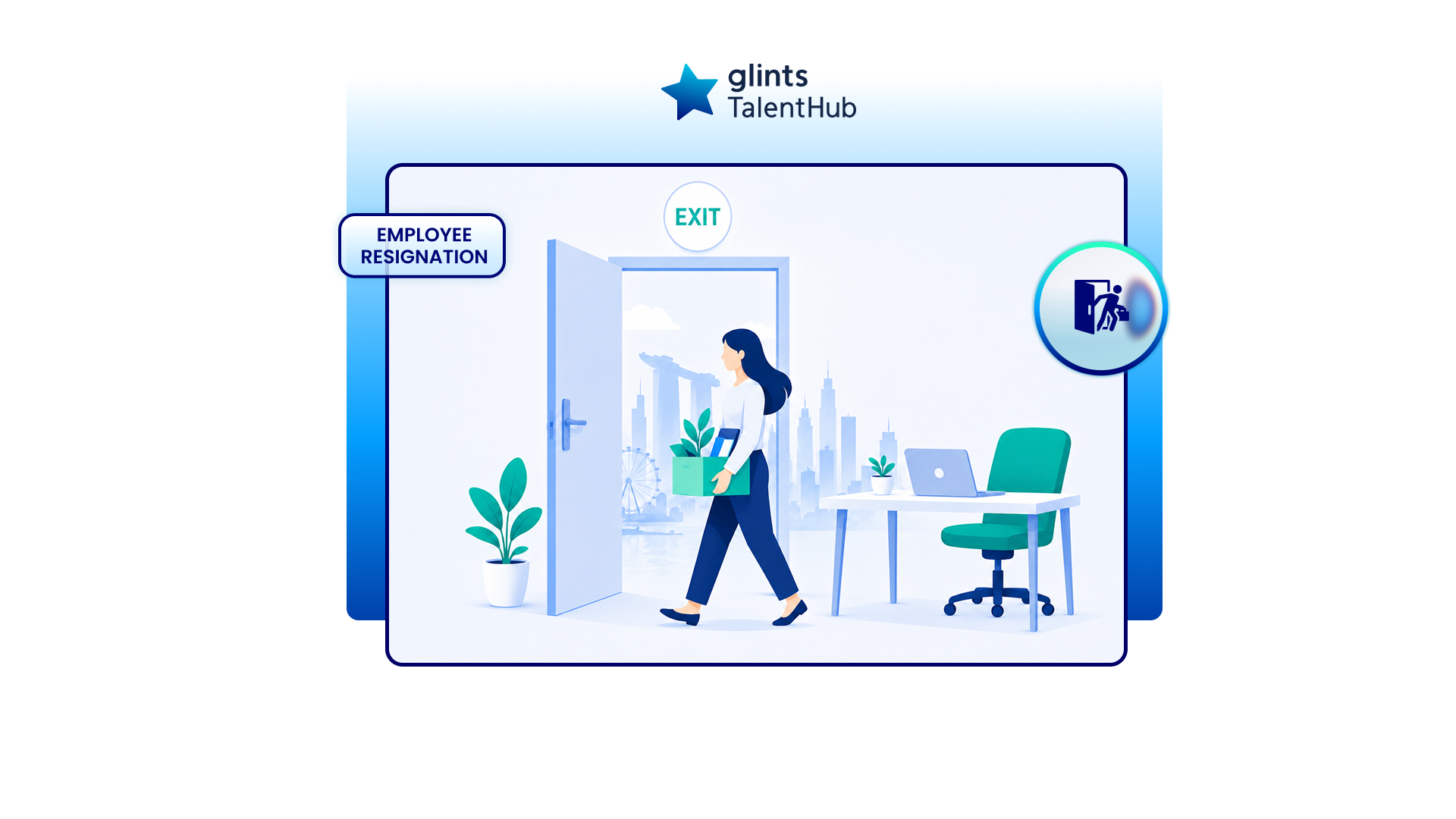
Employee resignation occurs when an employee voluntarily decides to end their employment with an organization.
The employee will usually communicate the decision through a formal resignation letter. Depending on the employment contract and applicable employment laws, the employee may need to complete a notice period before their final working day.
Resignation is different from termination because the decision to end employment comes from the employee rather than the employer. However, employers still have responsibilities throughout the resignation and offboarding process.
Common Reasons Employees Resign
Employees leave organizations for many different reasons. Some departures may be unavoidable, while others can reveal opportunities for employers to improve the employee experience.
Common reasons include:
1. Better Career Opportunities
Employees may receive an offer that provides stronger career progression, greater responsibilities, or exposure to a different industry.
2. Compensation and Benefits
Employees may leave when they believe their salary, benefits, incentives, or recognition no longer reflect their responsibilities or market value.
3. Limited Career Development
A lack of training, mentorship, internal mobility, or promotion opportunities can encourage employees to look elsewhere.
4. Management Concerns
An employee’s relationship with their manager strongly influences engagement and retention. Poor communication, limited support, or inconsistent expectations can contribute to resignation.
5. Workload and Burnout
Consistently high workloads, unclear priorities, and inadequate staffing can affect employee wellbeing and lead to voluntary departures.
6. Workplace Culture
Employees may resign when they experience a lack of trust, inclusion, recognition, or alignment with the organization’s values.
7. Personal Circumstances
Relocation, family responsibilities, health considerations, education, and other personal priorities may also influence an employee’s decision.
Understanding the reason behind a resignation can help employers determine whether the departure reflects an individual circumstance or a wider organizational issue.
What Should an Employee Resignation Letter Include?
A resignation letter creates a formal record of the employee’s decision. It should be clear, professional, and concise.
A resignation letter commonly includes:
- A clear statement of resignation
- The employee’s current position
- The intended final working day
- The proposed notice period
- A brief expression of appreciation
- An offer to support the handover process
Employees are not always required to explain why they are leaving. Employers should respect the employee’s decision if they prefer not to provide further details.
How Should Employers Respond to a Resignation?
Managers should respond calmly and professionally, even when the resignation is unexpected or creates an operational challenge.
A constructive response should acknowledge the employee’s decision, confirm that the resignation has been received, and explain the next steps. Employers should avoid applying pressure, making emotional comments, or reacting negatively.
The manager should then coordinate with the relevant human resources and payroll teams to confirm:
- The employee’s contractual notice period
- The proposed final working day
- Whether any unused leave will be taken or paid out
- The required handover activities
- The treatment of salary, incentives, expenses, and benefits
- The return of company property
- The removal of access to company systems
- Any documents that must be provided when employment ends
All decisions should follow the employment contract, company policies, and applicable local regulations.
A Step by Step Employee Resignation Process
1. Receive The Formal Resignation
Ask the employee to submit the resignation in writing if they have not already done so. This creates a clear record of the resignation date and intended final working day.
2. Review The Employment Contract
Check the employee’s notice period, leave entitlement, confidentiality obligations, incentive terms, and any other relevant conditions.
Employment requirements can vary across countries. Employers managing international teams should review the rules that apply in the employee’s work location rather than relying on a single global process.
3. Confirm The Final Working Day
The employee and employer should agree on the final working day based on the contractual notice period.
In some cases, the employer may allow the employee to leave earlier, require payment in place of notice, or place the employee on garden leave. These arrangements should be documented clearly and handled in accordance with local requirements.
4. Create a Handover Plan
A structured handover reduces disruption and helps the remaining team continue important work.
The handover plan should identify:
- Current projects and their status
- Important deadlines
- Key internal and external contacts
- Recurring responsibilities
- Relevant files and documentation
- Outstanding decisions or risks
- The person responsible for each task after the employee leaves
Employers should avoid waiting until the final few days to begin the handover. Starting early gives colleagues enough time to ask questions and understand the employee’s responsibilities.
5. Communicate The Departure
Agree with the employee on how and when the resignation will be communicated.
The announcement should be respectful and factual. It may include the employee’s final working day, appreciation for their contribution, and information about how their responsibilities will be managed.
Personal details about the employee’s decision should not be shared without permission.
6. Conduct an Exit Interview
An exit interview gives employers an opportunity to understand the employee’s experience and identify possible improvements.
Useful questions include:
- What influenced your decision to leave?
- What did you value most about working here?
- What could have improved your experience?
- Did you receive enough support from your manager?
- Were your responsibilities and expectations clear?
- What would have encouraged you to stay?
- Would you consider returning in the future?
Employers should look for patterns across several exit interviews rather than reacting to one person’s feedback in isolation.
7. Calculate Final Payments
The payroll team should calculate everything owed to the employee. Depending on the employment terms and applicable regulations, this may include:
- Salary up to the final working day
- Payment for unused leave
- Approved expense reimbursements
- Earned commissions or incentives
- Contractual bonuses
- Other required payments
Employers should also explain when the final payment will be made and provide any required salary or tax documents.
8. Recover Company Property
Before the employee leaves, confirm the return of company property such as laptops, phones, identification cards, security tokens, documents, and office equipment.
Create a written record of returned items to reduce confusion or disputes.
9. Remove System Access
Coordinate with the information technology team to remove access at the appropriate time.
This may include email accounts, shared drives, communication platforms, payroll systems, customer databases, financial tools, and building access.
Access removal should protect company information without preventing the employee from completing the agreed handover.
10. Complete The Offboarding Process
Provide employee offboarding with any required employment documents and explain what will happen to their benefits, insurance, retirement contributions, or other programs after departure.
A respectful final conversation can help preserve the professional relationship and leave the door open for future collaboration or rehiring.
Should Employers Make a Counteroffer?
A counteroffer may be appropriate when the employee has valuable expertise and their reason for leaving can be addressed realistically.
Before making one, consider:
- Why the employee wants to leave
- Whether compensation is the main concern
- Whether the underlying issue can be resolved
- How the counteroffer may affect internal pay equity
- Whether trust and engagement can be restored
- How the team may respond
A higher salary may delay a resignation without solving concerns related to workload, management, culture, or career growth. Employers should avoid making a counteroffer automatically and focus on whether there is a sustainable reason for the employee to stay.
Common Mistakes Employers Should Avoid
1. Delaying Acknowledgement
Ignoring or delaying a response can create uncertainty for the employee and the wider team.
2. Reacting Emotionally
A negative response can damage the relationship and discourage honest feedback during the exit process.
3. Making an Immediate Counteroffer
A counteroffer should only be considered after understanding why the employee wants to leave.
4. Neglecting The Handover
Without clear documentation and assigned responsibilities, important knowledge may leave with the employee.
5. Applying One Process Across Every Country
Notice periods, final payments, benefits, and documentation requirements can differ significantly by location.
6. Cutting Off Access Too Early
Removing access before the employee completes the handover can interrupt work. Access should be managed according to the employee’s role, risk level, and final working arrangements.
7. Forgetting The Remaining Team
A resignation can increase workloads and create uncertainty. Managers should explain how responsibilities will be covered and give team members opportunities to raise concerns.
How Can Employers Reduce Unwanted Resignations?
Not every resignation can or should be prevented. However, employers can reduce avoidable turnover by improving the employee experience before someone decides to leave.
Effective retention practices include:
- Reviewing compensation regularly
- Creating visible career paths
- Supporting internal mobility
- Training managers to provide useful feedback
- Monitoring workloads and employee wellbeing
- Recognizing employee contributions
- Conducting regular engagement surveys
- Holding stay interviews with important employees
- Acting on recurring feedback
- Building succession and replacement plans for critical roles
Retention should not begin when an employee submits a resignation. Regular conversations about growth, workload, recognition, and career goals can help managers identify concerns earlier.
Managing Resignations Across Different Countries
Employee resignation becomes more complex when organizations manage employees across multiple markets.
Each country may have different requirements for notice periods, final salary timelines, unused leave, statutory contributions, tax documentation, benefits, and employment records. Applying the same resignation process everywhere can create compliance risks and an inconsistent employee experience.
Glints TalentHub helps companies manage employment, payroll, statutory contributions, onboarding, and employee exits across markets. You can coordinate the full employment lifecycle through one unified solution while receiving support based on local requirements.
Speak with Glints TalentHub to simplify the way you hire, manage, pay, and support international employees.
Conclusion
Employee resignation is more than an administrative event. It affects the departing employee, their manager, the remaining team, and the organization’s ability to maintain business continuity.
A structured resignation process allows employers to protect important knowledge, complete payroll and compliance responsibilities, and provide a respectful employee experience. It can also generate valuable insights into compensation, management, workload, culture, and career development.
For companies managing employees across several countries, local employment requirements add another layer of complexity. Glints TalentHub brings talent acquisition, employment, onboarding, payroll, and workforce management into one unified solution, helping you manage every stage of the employee lifecycle with greater clarity and confidence.
Speak with Glints TalentHub to explore a simpler way to hire, manage, pay, and support your international workforce.