


Collecting employee information is part of running a business. You need accurate details to prepare employment contracts, pay salaries, administer benefits and meet reporting obligations.
But an onboarding form can quickly become a request for more information than your team needs. Identity documents may sit in email inboxes, bank details may appear in shared spreadsheets, and former employee records may remain accessible long after someone leaves.
Effective employee data collection starts with a clear purpose for every field, appropriate safeguards and a process for keeping records accurate.
For employers managing teams across Southeast Asia, this means combining consistent HR practices with local requirements.
What is Employee Data Collection?
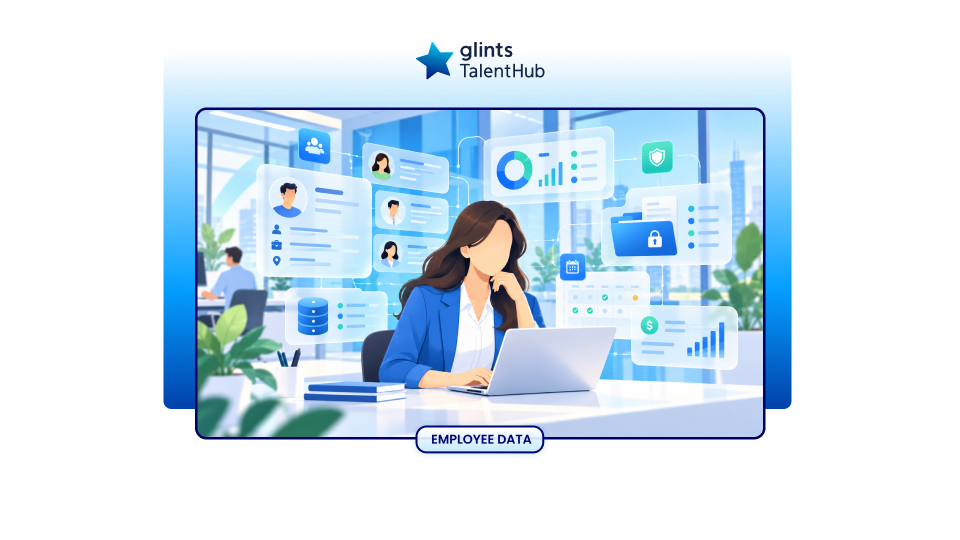
Employee data collection is the process of obtaining information about people for employment purposes, including recruitment, onboarding, payroll, benefits administration and workforce management.
It includes information employees provide directly, such as contact details, and records created during employment, such as attendance logs and performance reviews.
Collection is only the starting point. Your process also needs to cover how information is verified, used, shared, stored and eventually deleted.
Why Does Employee Data Collection Matter?
Accurate employee records help HR and Finance teams complete everyday tasks with fewer corrections.
An incorrect bank account number can delay salary payments. An outdated salary record can affect payroll calculations. Missing documentation can hold up benefits enrolment or a required filing.
A structured collection process also gives employees clearer expectations. They understand why you need a document, where to submit it and whom to contact when something changes.
What Employee Data Should Employers Collect?
Start with the information required for a specific task. These are common examples, rather than a universal list of mandatory fields.
| Data category | Examples | Typical purpose |
|---|---|---|
| Identity and contact information | Legal name, address, telephone number | Employment contracts and communication |
| Employment information | Job title, start date, work location, contract terms | HR administration and payroll setup |
| Payroll information | Bank details, salary, allowances, approved deductions | Salary processing |
| Tax and statutory information | Relevant tax and social security identifiers | Required registrations, calculations and reporting |
| Benefits information | Eligible dependants and enrolment details | Benefits administration |
| Emergency contacts | Contact name, relationship and telephone number | Emergency communication |
| Attendance and leave records | Working hours, leave dates, approved overtime | Scheduling, leave administration and payroll |
| Performance records | Appraisals, objectives, training completion | Employee development and management |
Not every employee needs to provide every category. Dependant information, for example, may only be relevant when someone enrols in a benefit that covers family members.
Information That Needs Closer Review
Health records, biometric identifiers, criminal history and information about religious or political beliefs can carry significant privacy risks. Their legal classification and permitted uses differ by country.
Before requesting this information, establish the specific need, applicable legal conditions and additional safeguards. A routine onboarding process does not automatically justify collecting a full medical history or fingerprint template.
When Should You Collect Employee Information?
Collect information at the stage when it becomes necessary.
1. During Recruitment
Review background screening and employee benefits requirements separately so each request supports a defined purpose.
Bank account details usually serve no purpose in an initial application. Background checks should receive a separate assessment of their relevance to the role and applicable legal requirements.
2. During Onboarding
Request the information needed to prepare employment records, establish payroll, complete required registrations and arrange selected benefits.
Give employees a clear submission deadline, explain required fields and provide an approved way to submit documents.
3. Throughout Employment
Update records when salary, bank details, work location, benefits eligibility or employment status changes.
Assign an owner to verify each change before it affects payroll or another system.
4. During Offboarding
Collect what is needed for final pay and exit administration. Remove access that is no longer required, then retain or delete records according to the applicable schedule and any legal hold.
Use an employment termination checklist to coordinate exit documentation, final pay and related responsibilities.
Do Employers Need Consent to Collect Employee Data?
Consent is not the only possible legal basis, and signing an employment contract does not authorise every use of employee information. Requirements depend on the country, purpose and type of data.
In Singapore, PDPC guidance explains that employee consent is generally not required for collection, use or disclosure that is reasonable for entering into, managing or terminating an employment relationship. Employers must still notify employees of the relevant purposes. This exception does not provide unrestricted permission for unrelated uses.
In the Philippines, the Data Privacy Act’s implementing rules provide several grounds for processing personal information, including contractual necessity and legal obligations. Sensitive personal information is subject to separate conditions. Processing must also follow transparency, legitimate purpose and proportionality principles.
Malaysia’s official guidance sets out principles covering notice and choice, disclosure, security, retention, data integrity and access, alongside its general principle.
For regional teams, document the legal basis for each activity in each relevant country. One consent checkbox cannot replace that assessment.
How to Build an Employee Data Collection Process
1. Give Every Field a Defined Purpose
Review your forms and identify what each field supports.
Ask who uses the information, whether it is necessary at that stage and whether a less intrusive alternative would work.
For example, an emergency contact process may require a name and telephone number. It is unlikely to require that person’s identity document and full employment history.
2. Explain Your Practices Clearly
Prepare an employee privacy notice that reflects your actual operations. Include:
- The categories of information collected.
- The purposes and relevant legal bases.
- The recipients or categories of recipients.
- Overseas processing where relevant.
- Your retention approach.
- How employees can raise questions or exercise applicable rights.
Distinguish mandatory fields from optional requests. Explain the consequences of not providing information that is required.
3. Use an Approved Collection Channel
Choose a system with suitable access controls, authentication and activity records.
Ask employees to submit documents directly to the approved location. This helps prevent unnecessary copies from accumulating across inboxes, personal messaging accounts and devices.
Check folder permissions before sending an upload link. A convenient submission process should also limit who can view the documents.
4. Verify Changes Before Processing Payroll
Build a verification step for information that affects payments and reporting.
For bank account changes, confirm the request through an established channel before updating the payroll record.
Set a payroll cutoff for routine changes and an escalation route for urgent corrections. Keep an approval history so your team can identify who changed a record and when it took effect.
Build employee record verification into your payroll processing workflow, before calculations and payment approval.
5. Limit Access According to Responsibilities
Give each user access to the records needed for their role.
A manager may need leave dates and team objectives without needing bank details or medical documents.
Review permissions when employees join, change roles or leave. Apply the same discipline to external advisers and service providers.
6. Check Providers and Overseas Access
Before sharing employee information with a payroll provider, benefits administrator or HR software vendor, confirm:
- What information the provider needs.
- Where processing and storage take place.
- Who can access the records.
- Whether subcontractors are involved.
- How incidents and employee requests are handled.
- How information will be returned or deleted.
Address these responsibilities in the relevant agreement. Map overseas hosting and access, then check applicable transfer requirements before enabling the arrangement.
7. Define Retention and Deletion Rules
Create a schedule for each record category and country.
Payroll records, unsuccessful applications and medical documents may need different treatment. Record the retention trigger, required period, responsible owner and disposal method.
Review duplicate exports and archived files too. Employment ending should trigger a retention review, although some records may still need to be kept.
8. Prepare For Requests and Incidents
Give employees a clear route to request corrections or raise privacy concerns.
Maintain an incident process for situations such as misdirected payslips, lost devices or unauthorised access. Your team should know how to contain the issue, preserve evidence and escalate it for assessment of any notification duties.
Employee Data Collection Checklist
Before launching or updating a form, confirm that:
- Every field has a documented employment purpose.
- Required and optional information are clearly distinguished.
- Local collection rules and legal bases have been checked.
- Employees receive an appropriate privacy notice.
- Sensitive or intrusive collection receives additional review.
- Documents use an approved submission channel.
- Access reflects each user’s responsibilities.
- Changes affecting payroll are verified and approved.
- Provider responsibilities and overseas processing are assessed.
- Retention, deletion and incident procedures have named owners.
Use this as an operational starting point alongside local employment, tax and privacy requirements.
Connect Employee Data Collection With Reliable Payroll
A completed form is useful only when its information reaches the right process.
Your payroll team needs current salary details, approved changes and relevant statutory information before each processing cycle. Establish one approved source for payroll inputs, a clear submission schedule and a review step before payment.
Glints TalentHub supports salary calculations, tax and statutory contribution calculations, payslips and payroll reporting, with local payroll guidance. Your company remains the legal employer when using its payroll service.
Need support managing payroll across Southeast Asia? Explore Glints TalentHub’s payroll service to discuss your team’s locations, payroll inputs and administration needs.