


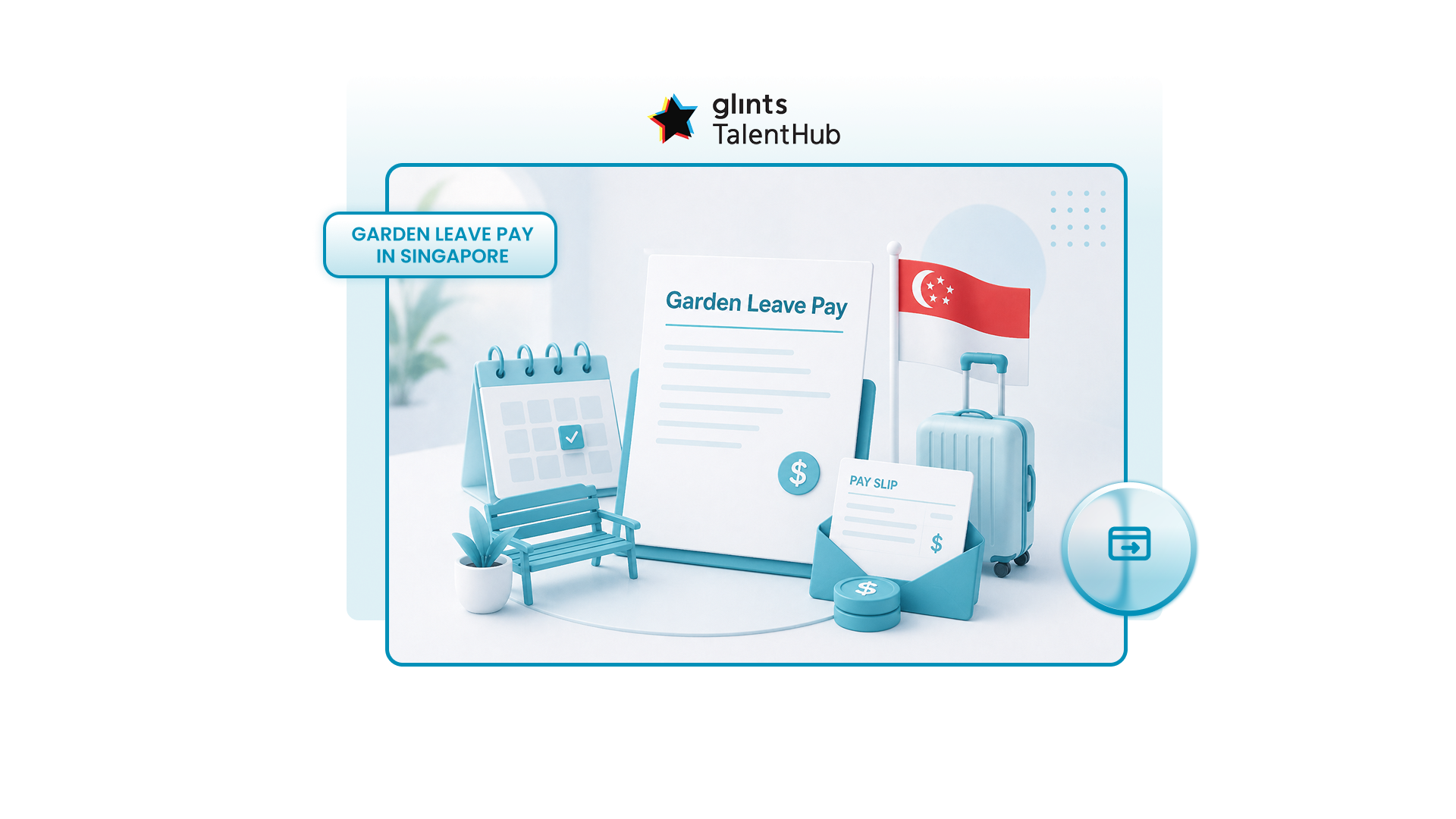
Garden leave in Singapore usually happens during an employee’s notice period, when the employee remains employed but is told not to attend work, access company systems, contact clients, or perform normal duties. Because the employment relationship continues, employers generally need to continue paying the employee’s salary and applicable contractual benefits until the official last day of employment.
This is different from salary in lieu of notice. If an employer pays salary in lieu of notice, the employee does not serve the full notice period. If an employee is placed on garden leave, the employee is usually still serving notice, just without being required to work actively.
What is Garden Leave?
Garden leave is an arrangement where an employer asks an employee to stay away from work during the notice period while remaining employed. It is commonly used when an employee has access to sensitive company information, client relationships, pricing data, sales pipelines, product plans, or strategic decisions.
During garden leave, the employer may restrict the employee from joining a competitor, contacting clients, using company systems, or representing the company externally. However, the employee is still employed until the last day stated in the termination or resignation notice.
Singapore does not have a specific standalone garden leave statute. Garden leave is usually governed by the employment contract, company policies, and general contract principles. The Singapore Law Gazette notes that garden leave is used in Singapore, but several legal issues remain unsettled under Singapore law, especially where there is no express garden leave clause in the employment contract.
Is Garden Leave Paid in Singapore?
Yes, garden leave should generally be paid because the employee remains employed during the garden leave period.
The key point is that garden leave is not the same as ending employment immediately. If the employee is still serving notice, the employer should continue to pay salary for that notice period. MOM states that if an employment contract specifies a notice period, the employee must either serve the notice period or pay salary in lieu of notice. MOM also states that notice can be waived by mutual consent.
For employers, this means garden leave should usually be treated as paid notice. The employee may not be working actively, but the employment contract is still in force.
What are Employers Required to Pay During Garden Leave?
Employers should review the employment contract, compensation policy, bonus terms, and notice letter carefully. In most cases, the following payments should be considered.
1. Basic Salary During The Garden Leave Period
Employers should continue paying the employee’s basic salary for the garden leave period, unless the employment contract clearly provides otherwise.
For example, if an employee has a monthly salary of S$6,000 and is placed on one month of garden leave during notice, the starting point is that the employee should continue receiving that monthly salary.
If the garden leave covers only part of a month, employers should calculate salary based on the relevant partial month salary formula. MOM states that salary for an incomplete month is calculated using monthly gross rate of pay divided by the total number of working days in that month, multiplied by the number of days the employee actually worked in that month.
2. CPF Contributions on Garden Leave Wages
CPF contributions are payable on wages given to an employee who is placed on garden leave. CPF Board specifically states that CPF contributions are payable on wages given to an employee on garden leave.
This is because the employee remains employed and is still receiving wages. MOM also states that employer and employee CPF contributions must be made for salary earned during the notice period while the employee is still considered an employee of the company.
This is an important distinction from salary in lieu of notice. MOM states that CPF contributions are not required for salary in lieu of notice.
3. Contractual Allowances and Benefits
Employers should continue contractual benefits during garden leave unless the employment contract or policy clearly states otherwise.
This may include fixed allowances, insurance coverage, medical benefits, phone allowance, transport allowance, or other recurring benefits that are part of the employment package.
However, not every allowance will automatically continue in the same way. Some allowances may be tied to actual work performed, business travel, reimbursement, or expenses incurred. Employers should check whether the allowance is a fixed contractual entitlement or a work related reimbursement.
A practical approach is to ask:
- Is the benefit written into the employment contract?
- Is it a fixed monthly entitlement?
- Is it conditional on actual work, travel, or expenses?
- Has the company applied the same treatment consistently for other employees?
If the answer is unclear, employers should avoid making unilateral reductions without legal or HR review.
4. Commissions, Incentives, and Bonuses
Commissions, incentives, and bonuses depend heavily on the employment contract, commission plan, bonus policy, and whether the payment has already been earned.
For example, if a salesperson closed a deal before garden leave and the commission plan says commission is payable once the invoice is collected, the employer should follow that plan. If a bonus is fully discretionary and subject to active employment or management approval, the outcome may be different.
The Singapore Law Gazette notes that an express garden leave clause may state that remuneration is different during garden leave, such as not being entitled to bonus or stock options.
This means employers should not assume all variable pay can be withheld. The safer approach is to check the exact wording of the employment contract, incentive policy, and bonus plan before deciding.
5. Unused Annual Leave
If employment is terminated, employers may need to pay the employee for unused annual leave, unless the termination is due to misconduct.
MOM states that if employment is terminated except for misconduct, the employer must pay unused annual leave at the gross rate of pay based on the employee’s last drawn salary.
Garden leave itself does not automatically use up annual leave. If the employer wants the employee to clear annual leave during notice, it should be handled clearly and with the right approval process.
MOM also distinguishes between taking annual leave during notice and using annual leave to offset notice. If annual leave is approved during the notice period, the employee remains employed until the last day of notice and is paid for the full notice period. If annual leave is used to offset notice with employer agreement, the last day of employment is brought forward and the employee is paid only up to the last day of work.
6. Final Salary Payment
Employers must also follow Singapore’s final salary payment timelines.
MOM states that salary must generally be paid at least once a month and within seven days after the end of the salary period for employees covered by the Employment Act. For final salary, the timing depends on how employment ends. If an employee resigns and serves the required notice period, final salary must be paid on the last day of employment. If the employer terminates the contract, final salary must be paid on the last day of employment, or within three working days if this is not possible.
For garden leave, the official last day of employment matters. Employers should make sure payroll, CPF, leave encashment, and any final payments are aligned to that date.
7. Tax Clearance for Foreign Employees
If a non Singapore citizen employee is leaving employment in Singapore, the employer may need to file tax clearance and withhold monies due to the employee.
IRAS states that when a non Singapore citizen employee ceases employment, goes on an overseas posting, or plans to leave Singapore for more than three months, the employer generally must notify IRAS at least one month in advance and withhold all monies due from the date the employer becomes aware of the impending cessation or departure.
This can include salary, bonus, overtime pay, leave pay, allowances, gratuities, and lump sum payments.
For garden leave, this matters because the employee may still be receiving salary during notice. If tax clearance applies, employers should coordinate the garden leave payment timeline with IRAS requirements before releasing final monies.
Garden Leave Pay Versus Salary in Lieu of Notice
Garden leave and salary in lieu of notice can look similar because both may involve the employee not working. But they are different.
With garden leave, the employee remains employed until the last day of notice. Salary continues, CPF contributions are payable on wages, and employment obligations usually continue.
With salary in lieu of notice, the notice period is not served. The employee receives compensation equivalent to the salary that would have been earned during the required notice period. MOM states that CPF contributions are not required for salary in lieu of notice.
For employers, this distinction affects payroll, CPF, benefits, access control, tax clearance, and the employee’s ability to start a new role.
Can Employers Reduce Pay During Garden Leave?
Employers should be careful about reducing pay during garden leave.
If the employment contract says the employee is entitled to salary and benefits during the notice period, the employer should generally continue paying them. Reducing salary without a clear contractual basis may create a dispute.
If the employer wants different pay treatment during garden leave, this should be clearly addressed in the employment contract or garden leave clause. For example, the clause may explain whether the employee remains entitled to variable bonuses, commissions, share options, allowances, or other benefits during garden leave.
The more senior or commercially sensitive the role, the more important it is to draft the clause clearly before a dispute happens.
What Should a Garden Leave Clause Include?
A strong garden leave clause should clearly explain:
- When the employer can place the employee on garden leave
- Whether garden leave can apply after resignation, termination, or both
- Whether the employee must remain contactable
- Whether the employee can access company systems
- Whether the employee can contact clients, suppliers, employees, or candidates
- Whether the employee can work for another employer during garden leave
- What salary, benefits, bonuses, commissions, and equity treatment will apply
- Whether the employee must return company property
- How garden leave interacts with notice period, annual leave, confidentiality, and restrictive covenants
This helps employers protect the business while reducing ambiguity for the employee.
Common Mistakes Employers Should Avoid
A common mistake is placing an employee on garden leave without checking whether the employment contract allows it. Where there is no express clause, garden leave may be more open to challenge, especially if the role requires the employee to actively work to maintain skills, relationships, or earnings.
Another mistake is treating garden leave like unpaid leave. Garden leave is not unpaid leave. If the employee remains employed and available to the employer, salary should generally continue.
Employers should also avoid confusing garden leave with annual leave offset. Garden leave does not automatically reduce annual leave balances unless the employer and employee clearly agree to use annual leave in a compliant way.
Finally, employers should not forget CPF and tax clearance. CPF contributions are payable on garden leave wages, while tax clearance may require withholding monies for eligible foreign employees.
How Employers Can Manage Garden Leave Properly
Before placing an employee on garden leave, employers should first review the employment contract. The contract should ideally contain a clear garden leave clause.
Next, confirm the employee’s official notice period and last day of employment. This determines salary, CPF, benefits, leave encashment, and final payment timing.
Then, prepare a written notice confirming the garden leave arrangement. The notice should explain what the employee can and cannot do during the period, whether they must remain contactable, how company property should be returned, and how salary and benefits will be handled.
Finally, coordinate HR, payroll, IT, finance, and legal teams. Garden leave is not just a payroll matter. It also affects system access, client handover, confidentiality, CPF, tax clearance, and final settlement.
How Glints TalentHub Supports Regional Employment Compliance
Managing garden leave becomes more complex when employers hire across multiple markets. Each country may treat notice periods, final pay, social contributions, leave encashment, and termination obligations differently.
For companies building teams across Singapore and the wider region, Glints TalentHub helps you manage employment, payroll, compliance, onboarding, and HR administration more confidently. This gives your team one clearer way to handle employee transitions, reduce payroll errors, and stay compliant while hiring and managing talent across borders.
Conclusion
In Singapore, garden leave is generally paid because the employee remains employed during the notice period. Employers should continue paying salary, make CPF contributions on garden leave wages, maintain applicable contractual benefits, and settle unused annual leave where required.
The most important step is to check the employment contract. A clear garden leave clause helps employers protect business interests while reducing disputes over pay, benefits, bonuses, commissions, CPF, and final settlement.
For employers, the safest rule is simple: if the employee is still employed during garden leave, treat the period as paid employment unless the contract clearly and lawfully says otherwise.