



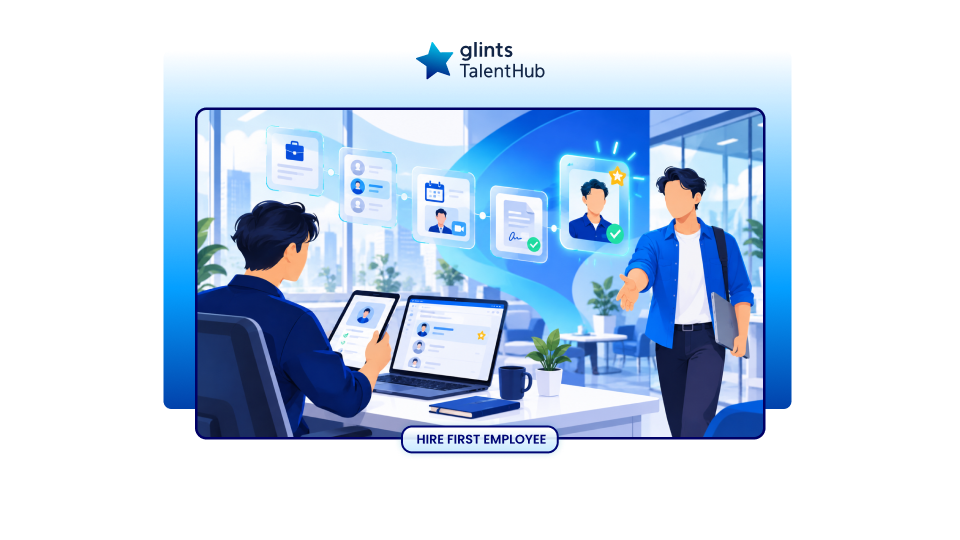
Hiring your first employee is one of the biggest turning points in building a business. Until now, you may have handled sales, operations, customer service, and administration yourself. Bringing someone into the company gives you more capacity, but it also introduces new responsibilities.
The right first hire can help you serve more customers, strengthen daily operations, and create momentum for future growth. The wrong hire can consume time, increase costs, and distract you from the work that matters most.
This guide explains how to hire your first employee with greater clarity. You will learn how to decide whether you are ready, define the role, calculate the full employment cost, run a structured hiring process, meet your legal obligations, and help your new employee succeed.
When Should You Hire Your First Employee?

You should not hire simply because you feel busy. A new employee should solve a clear and recurring business need.
You may be ready to make your first hire when:
- You regularly turn down customers or delay projects because you lack capacity.
- Important operational work is taking time away from sales, product development, or strategy.
- The business has enough predictable revenue to support the role beyond the first few months.
- You need skills that are difficult or inefficient to develop yourself.
- You can describe the results the employee should deliver during their first six to twelve months.
Before opening a role, identify the problem you expect the employee to solve. For example, “I need help with marketing” is broad. “I need someone to generate 30 qualified sales leads each month and manage our weekly campaigns” gives you a measurable hiring goal.
Should You Hire an Employee or a Contractor?
One of the first decisions is whether the work requires an employee or an independent contractor.
An employee is generally more suitable when the role is ongoing, central to the business, and performed under your direction. A contractor may be more appropriate for a defined project, specialist assignment, or limited period of work where the individual operates independently.
The title written in an agreement does not always determine the legal relationship. Authorities may consider the actual working arrangement, including who controls the work, how the person is paid, whether the work is integrated into the business, and whether the person carries financial risk. The International Labour Organization notes that the employment relationship creates rights and obligations under national law and should be assessed based on the facts of the working arrangement.
Misclassifying an employee as a contractor can lead to unpaid taxes, benefit liabilities, penalties, and disputes. Review the classification rules in the employee’s work location before finalising the arrangement.
How to Hire Your First Employee in 10 Steps
1. Define The Business Outcome
Start with the result you need, not a list of random tasks.
Ask yourself:
- What work is currently being missed, delayed, or performed poorly?
- Which responsibilities require one accountable owner?
- What would improve if the role were filled successfully?
- What should the employee accomplish within 30, 60, and 90 days?
This exercise helps you determine whether you need an operations generalist, salesperson, marketer, customer support specialist, engineer, or another type of professional.
2. Build The Full Hiring Budget
Before setting your budget, calculate your cost per hire, including recruitment, assessment, onboarding, equipment, and internal management time. Depending on the country, your budget may also need to cover:
- Employer taxes and statutory contributions
- Insurance and mandatory benefits
- Paid leave and public holiday entitlements
- Recruitment and background screening costs
- Equipment, software, and workspace
- Training and onboarding time
- Payroll administration and HR support
- Performance bonuses or commissions
Calculate the total annual cost before deciding what you can offer. It is safer to hire slightly later with a sustainable budget than to hire quickly and discover that the role is unaffordable.
3. Choose The Employment Location
Your first employee does not always need to live near your office. Remote and international hiring can give you access to a wider talent pool, specific language capabilities, local market knowledge, and more flexible cost options.
However, the employee’s work location usually affects employment obligations. You may need a registered local entity, compliant employment contract, payroll setup, tax registration, benefits administration, and processes that follow local labour laws.
If you want to hire in a country where your business does not have an entity, an Employer of Record can employ the person legally on your behalf while you direct their daily work. This can be a practical route for testing a new market or hiring international talent without immediately establishing a local company.
4. Write a Focused Job Description
A strong job description helps qualified candidates understand the opportunity and decide whether it fits them.
Include:
- A clear job title
- The purpose of the role
- Four to six key responsibilities
- The outcomes expected during the first year
- Essential skills and experience
- Work location and working arrangement
- Salary range, where appropriate or legally required
- Benefits and development opportunities
- A brief overview of the company and its mission
Separate genuine requirements from preferences. An excessive list of qualifications can discourage capable candidates who could perform the role well.
5. Choose The Right Sourcing Channels
Compare different recruitment methods based on the skills you need, your available budget, the hiring timeline, and the location of suitable candidates.
Useful options include:
- Professional networking platforms
- General and specialist job boards
- Employee, customer, and investor referrals
- Professional communities and industry groups
- University networks for junior roles
- Recruitment partners for specialised or urgent positions
Track where strong applicants come from. This gives you useful information for future hiring and prevents you from spending time or budget on ineffective channels.
6. Create a Consistent Screening Process
Decide how you will assess every candidate before applications arrive. A simple process for a first hire may include:
- Application review
- Short introductory call
- Structured interview
- Practical, job relevant assessment
- Reference or background checks where appropriate and lawful
- Final decision and offer
Use the same core criteria for every candidate. A scorecard can cover relevant experience, job skills, communication, problem solving, motivation, and alignment with the working environment.
A consistent process makes comparison easier and reduces the risk of choosing someone mainly because you enjoyed the conversation.
7. Ask Structured Interview Questions
Good interview questions explore how candidates have handled situations similar to those they will face in the role.
Consider asking:
- Tell me about a time you had to create a process with limited guidance. What did you do?
- Which result from your previous work are you most proud of, and how did you measure it?
- Describe a situation where priorities changed quickly. How did you respond?
- What information and support help you perform at your best?
- What would you aim to understand or accomplish during your first 30 days here?
For a first employee, adaptability and ownership may be especially important. Early team members often work with incomplete processes and changing priorities. Be honest about that environment so candidates can make an informed decision.
Avoid questions about protected personal characteristics or private information that is unrelated to the role. Interview rules vary by country, so confirm local requirements before beginning the process.
8. Prepare a Compliant Employment Offer and Contract
Once you select a candidate, provide a written offer that clearly explains the proposed terms. The employment contract should be reviewed against the laws of the employee’s location.
Depending on local requirements, the contract may need to cover:
- Job title and responsibilities
- Start date and employment type
- Work location and working hours
- Salary, payment schedule, and variable compensation
- Leave and benefits
- Probation terms, if permitted
- Confidentiality and intellectual property
- Notice and termination provisions
- Applicable policies
An offer letter or copied online template may not satisfy local requirements. A compliant contract should reflect the actual working arrangement and any mandatory employee entitlements.
Hiring across borders should not slow down your growth, TalentHub helps you attract, hire, onboard, pay, and manage professionals through one unified talent operations solution. If the right candidate is based in a country where you do not have an entity, you can use Employer of Record support to hire compliantly while keeping your attention on building the business.
9. Complete Registration, Payroll, and Workplace Setup
Before the employee starts, confirm every employer requirement that applies in the relevant country. This may include:
- Employer registration
- Tax withholding setup
- Social security or statutory contribution enrolment
- Mandatory insurance
- Payroll processes and payslips
- Right to work verification
- Required workplace policies and records
- Personal data protection measures
- Health and safety obligations
The exact requirements depend on the jurisdiction, industry, employment type, and employee profile. Engage qualified local HR, payroll, tax, or legal support when needed.
10. Build a 90 Day Onboarding Plan
Hiring is not finished when the contract is signed. Your employee needs context, tools, priorities, and feedback to become productive.
A practical onboarding plan can include:
Before the start date
- Prepare equipment and account access.
- Send the first week schedule.
- Share essential company and role information.
- Confirm payroll and employment documents.
During the first 30 days
- Explain the business model, customers, goals, and ways of working.
- Define immediate responsibilities and decision boundaries.
- Hold frequent check ins.
- Assign achievable early projects.
During days 31 to 60
- Increase ownership of regular responsibilities.
- Review progress against agreed goals.
- Address skill, resource, or process gaps.
During days 61 to 90
- Evaluate results and role fit.
- Agree on priorities for the next quarter.
- Discuss development and longer term goals.
Documenting your onboarding process now makes every future hire easier.
What Should You Look for in Your First Employee?
Technical ability matters, but your first employee will shape how the company operates. Look for someone who combines the skills needed today with the judgement to work in an evolving environment.
Strong first employees often demonstrate:
- Ownership: They take responsibility for results and communicate when support is needed.
- Adaptability: They can work effectively when processes and priorities change.
- Clear communication: They share progress, risks, and decisions without creating unnecessary complexity.
- Resourcefulness: They can solve problems with limited time and resources.
- Relevant capability: They can perform the core responsibilities of the role without expecting the founder to teach every technical detail.
Do not use “culture fit” as a vague reason to choose someone similar to you. Define the behaviours that support success, such as reliability, curiosity, candour, or customer focus, and assess those behaviours consistently.
Common Mistakes When Hiring Your First Employee
1. Hiring Before The Role is Clear
If you cannot explain what success looks like, candidates cannot judge the opportunity and the new employee cannot prioritise effectively.
2. Underestimating Total Employment Cost
Budgeting only for salary can create financial pressure once contributions, benefits, equipment, payroll, and management time are included.
3. Choosing Based on Instinct Alone
Personal chemistry can influence decisions. Structured questions, job relevant evidence, and consistent scoring produce a more reliable comparison.
4. Using The Wrong Employment Classification
Calling someone a contractor does not necessarily make them one. Review the real working arrangement and local rules.
5. Skipping Onboarding
Even an experienced professional needs context and feedback. Without a clear onboarding plan, the employee may spend weeks guessing what matters.
Make Your First Hire a Foundation for Growth
Your first employee is more than an extra pair of hands. This person influences your capacity, customer experience, internal processes, and future company culture.
Start with a clearly defined business need. Build a realistic budget, use a structured selection process, meet the employment requirements in the employee’s location, and invest in thoughtful onboarding. These foundations will help your first employee contribute sooner and make your next hiring decision easier.
If you are hiring in Southeast Asia or across borders, TalentHub can support the full talent lifecycle, from sourcing and hiring to compliant onboarding, payroll, and employee management.
Explore TalentHub to hire and manage talent with confidence.