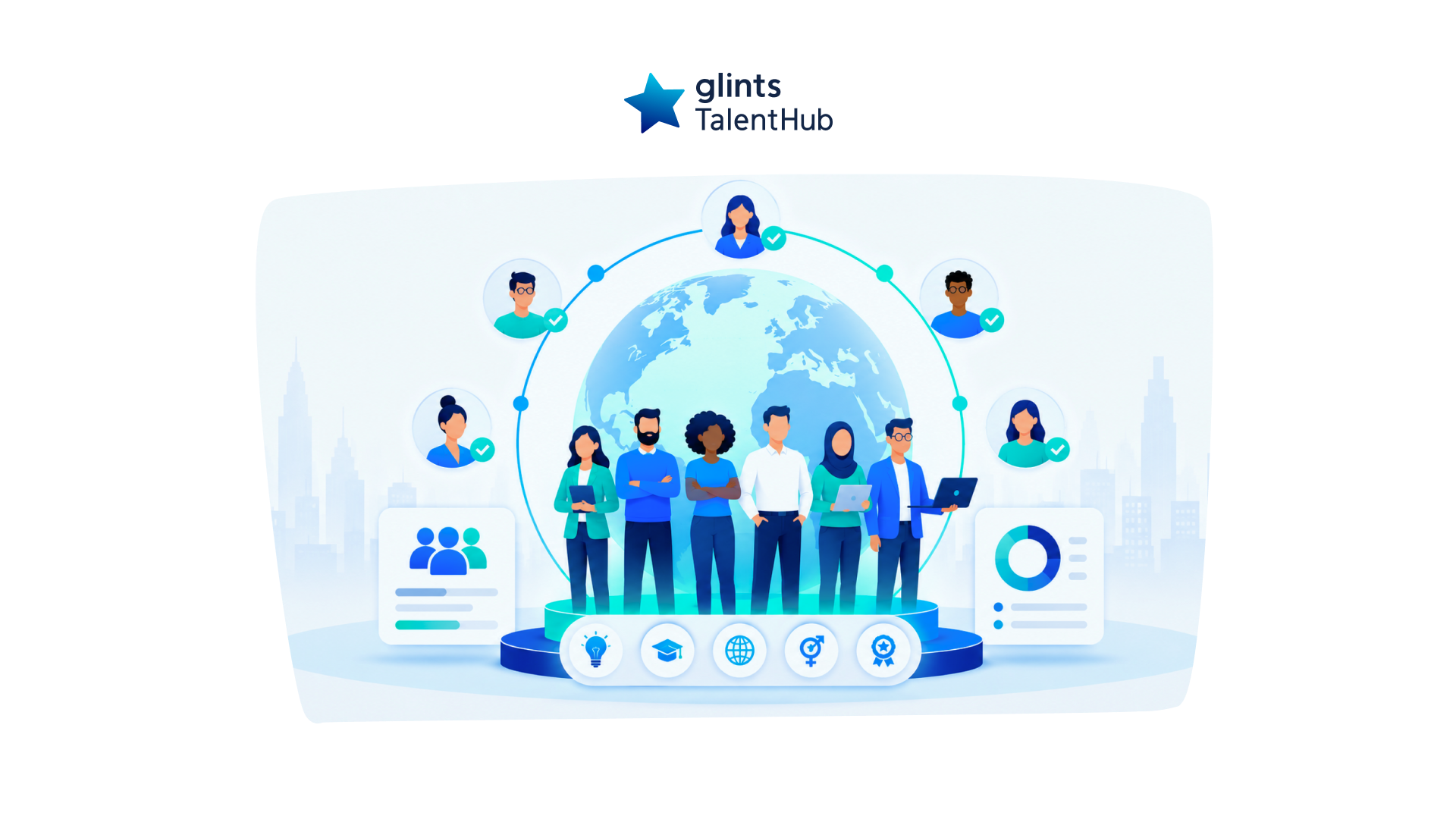




Building a company used to mean building a local team. One office, one city, one talent pool. That model still works for some businesses. But for founders looking to move faster, hire smarter, and build more resilient organizations, distributed teams are becoming a practical default rather than a workaround.
The conversation around distributed work tends to focus on culture and flexibility. What gets less attention is the operational side: where to hire, how to manage across time zones, and how to stay legally compliant in countries where you have no existing infrastructure.
Why Distributed Teams Work
The case for distributed hiring is not primarily about remote work philosophy. It is about competitive advantage. Companies that hire globally tend to report three meaningful benefits.
First, they access deeper talent pools. Limiting hiring to one city means competing against every other employer in that geography. Expanding internationally reduces that pressure and opens access to specialists who may not exist in sufficient numbers locally.
Second, they get better cost efficiency. Salaries for senior engineers, designers, and product managers in markets like Southeast Asia are often significantly lower than in major Western tech hubs. This is not about paying people less. It is about paying competitive rates in each market while extending runway.
Third, distributed teams tend to be more operationally resilient, less dependent on any single market’s labor conditions or disruptions.
Where Founders Are Hiring Today
A growing number of founders are concentrating distributed hiring efforts in a handful of high-value regions. Southeast Asia and Taiwan stand out for different reasons.
Southeast Asia offers strong technical education systems, growing English proficiency, and competitive compensation expectations across a range of roles. Vietnam has seen rapid growth in software engineering talent.
The Philippines is a well-established market for operations, customer success, and product functions.
Singapore functions as a regional hub for senior and strategic hires.
Taiwan offers specialized depth in hardware, semiconductors, and deep tech, making it particularly relevant for companies building physical products.
Before expanding into a new market, it is worth evaluating a few practical factors:
- The depth of local talent in the specific skills you need, not just general headcount figures.
- The regulatory environment, including mandatory benefits, notice periods, and statutory contributions.
- The operational complexity of running payroll and staying compliant in that country.
- Internet infrastructure and co-working access for remote workers in that region.
Managing Cross-Border Teams
Distributed teams rarely fail because of time zones or cultural differences. They tend to fail because of poor systems, unclear expectations, and insufficient investment in communication infrastructure. These are fixable problems.
The most effective distributed teams are explicit about how they communicate. This means defining when synchronous communication is required versus when asynchronous is sufficient, how quickly team members are expected to respond, and where decisions get documented. Without these norms, teams default to the habits of whoever is most senior, which rarely serves everyone well.
A few operational principles that consistently make a difference:
- Build time zone overlap intentionally. Aim for at least two to three hours of shared working time between closely collaborating groups. This should shape hiring decisions from the start.
- Invest in manager development. Managing across distance requires stronger written communication, more deliberate one-on-ones, and greater intentionality around feedback and recognition.
- Schedule periodic in-person time. Quarterly or semi-annual offsites consistently improve team cohesion and trust. The cost is usually smaller than founders expect, and the returns in retention and alignment are meaningful.
Legal and Payroll Considerations
This is the area where first-time distributed founders most often run into difficulty. Employment law varies significantly from country to country, and the cost of getting it wrong can be substantial.
To hire an employee in most countries, a company needs a registered legal entity there. Setting up a local entity typically takes three to six months and requires ongoing compliance overhead. For early-stage companies hiring a handful of people in a given market, this is usually a disproportionate investment.
Many founders initially hire international workers as independent contractors to avoid this problem. In some cases that is appropriate. In others, it creates legal exposure.
Most countries use criteria around control, exclusivity, and tool usage to determine whether a relationship is genuinely a contractor arrangement or a disguised employment one. Misclassification can result in back taxes, mandatory contributions, and penalties.
- Statutory contributions: Most Southeast Asian countries require employer contributions to social security or provident fund schemes, which need to be factored into total compensation budgets.
- Mandatory leave: Annual leave entitlements, public holidays, and parental leave requirements are statutory minimums and vary widely across markets.
- Termination and severance: Notice periods and severance obligations in Southeast Asia are often more protective of employees than founders from Western markets expect.
- 13th month pay: Several countries, including the Philippines, legally require an additional month’s pay. In others, it is a strong market norm that affects hiring competitiveness.
How an Employer of Record Simplifies This
An Employer of Record (EOR) is a third-party organization that employs workers on behalf of another company. The EOR is the legal employer in the relevant country, managing employment contracts, payroll, statutory contributions, and benefits compliance. The hiring company retains full control over the worker’s day-to-day responsibilities and performance.
For distributed teams, an EOR addresses several challenges at once. It removes the need to set up local legal entities in every country where you hire. It ensures payroll is processed correctly and on time, in local currency, with the right deductions. It keeps employment contracts compliant with local labor law. And it reduces time-to-hire significantly, since the infrastructure is already in place.
The practical result is that a founder can make a hiring decision in Vietnam, Indonesia, or the Philippines and have that person fully onboarded, employed, and paid correctly within days rather than months.
Final Thoughts
Building a distributed team is not inherently more complex than building a local one. It does require founders to think carefully about systems that co-located teams often take for granted: communication norms, legal compliance, payroll accuracy, and management practices built for distance.
The founders who do this well tend to approach it early rather than reactively. They choose hiring markets deliberately, invest in the operational systems to support those hires, and use the right infrastructure to stay compliant without creating unnecessary overhead.
The talent is there. The infrastructure to hire it compliantly and efficiently is available. The main variable is whether founders choose to build the systems to support it.
This article is brought to you by Glints TalentHub. Leading companies are actively building their borderless teams in Southeast Asia, Taiwan, and beyond. However, the prospect of going borderless can be daunting due to complex regulations and cultural ambiguities. With Glints TalentHub, you’ll have a dedicated team of in-market legal, HR, and talent experts by your side at every step of the way.
Glints TalentHub offers an end-to-end, tech-enabled talent solution that encompasses talent acquisition, EOR, and talent development. We empower businesses to leverage the strengths of regional talent efficiently to build high-performing, cost-efficient teams.
Schedule a no-obligation consultation with our experts to receive a tailored proposal today!