


Finding qualified talent is becoming more challenging as companies compete for the same candidates in familiar markets. When recruitment remains limited to a small number of locations, backgrounds, or professional networks, employers may overlook capable people who could bring valuable skills and perspectives to the business.
Building a diverse talent pool gives companies access to a broader range of candidates. It can help employers address skills gaps, improve workforce resilience, understand different customers, and build teams that are better prepared for growth across markets.
However, diversity requires more than attracting candidates from different demographic groups. Employers also need fair recruitment practices, inclusive working conditions, equitable access to opportunities, and the right infrastructure to hire people across locations compliantly.
What is a Diverse Talent Pool?
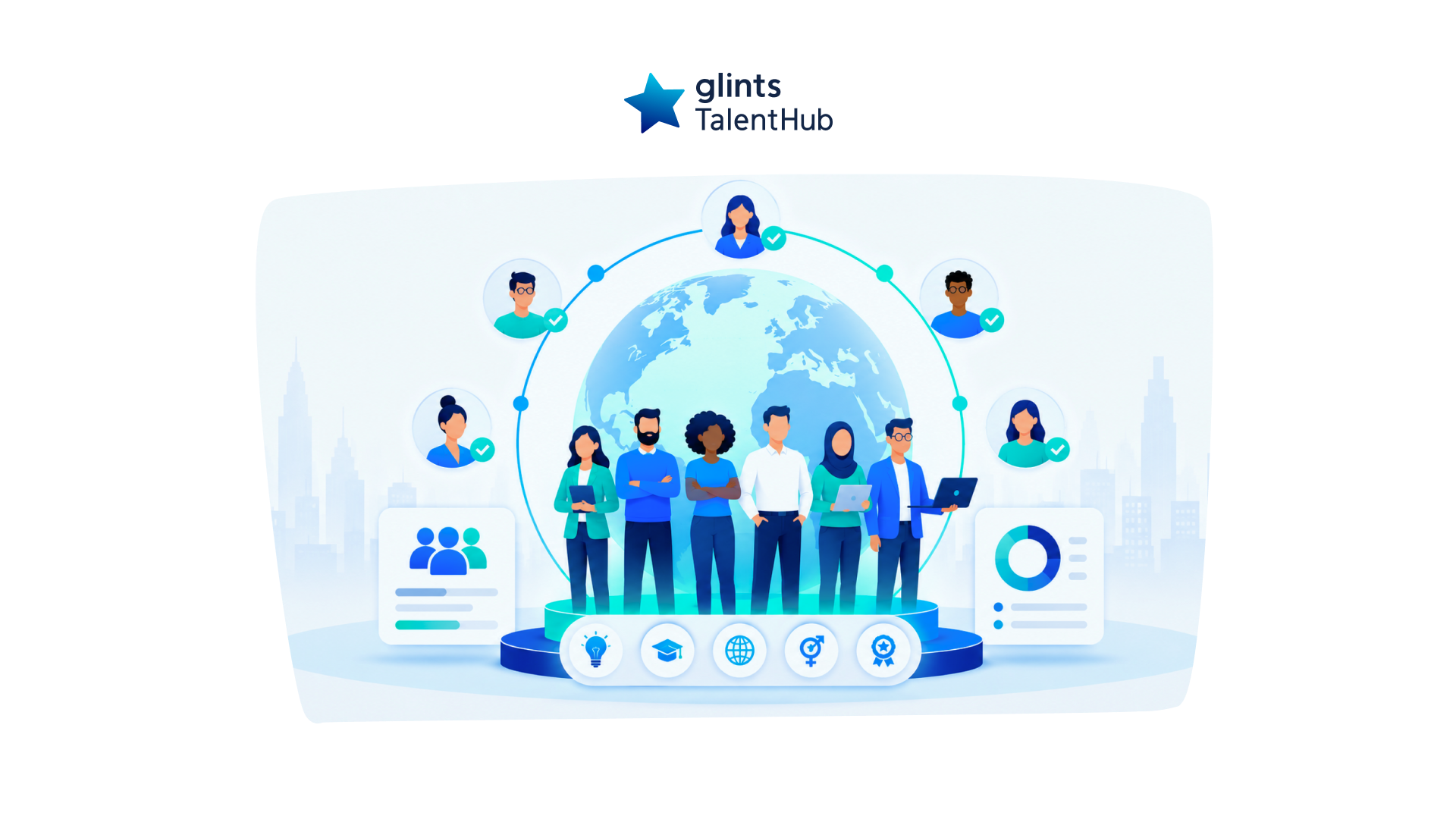
A diverse talent pool is a group of potential candidates with different backgrounds, identities, experiences, skills, and perspectives.
Diversity can include differences in:
- Age and generation
- Gender and gender identity
- Nationality and ethnicity
- Culture and language
- Education and professional background
- Physical and cognitive abilities
- Socioeconomic background
- Geographic location
- Industry experience
- Working styles and approaches to problem solving
A diverse talent pool is not simply a large database of candidates. It should provide employers with meaningful access to people who may not be reached through their usual recruitment channels.
For example, a company that has traditionally recruited from one city may expand its search to professionals across Southeast Asia or other global markets. Another employer might remove unnecessary degree requirements to consider candidates with relevant skills gained through practical experience.
In both cases, the goal is to reduce barriers that may exclude qualified candidates.
Why is a Diverse Talent Pool Important?
Access to diverse talent can strengthen several areas of a business, from recruitment and innovation to customer understanding and market expansion.
1. Access to a Wider Range of Skills
When employers recruit from the same schools, companies, locations, or professional networks, they are likely to encounter similar candidate profiles.
Expanding the talent pool can introduce candidates with different technical capabilities, market knowledge, language skills, and professional experiences. This is particularly useful when specialised skills are difficult to find in the employer’s home market.
A wider search can also help employers discover strong candidates who have transferable skills but may not match a traditional profile.
2. Better Problem Solving
People with different experiences may approach the same challenge in different ways. One person might focus on operational efficiency, while another considers customer behaviour, cultural context, or long term impact.
This variety can help teams examine assumptions, identify risks, and consider more possible solutions before making a decision.
Diversity does not automatically produce better outcomes. Employees must also feel comfortable contributing their ideas and challenging established views. This makes inclusion an essential part of building an effective diverse workforce.
3. Greater Understanding of Customers
Companies often serve customers from different markets, cultures, age groups, and economic backgrounds. Teams that reflect a broader range of experiences may be better positioned to recognise differences in customer expectations.
Local talent can provide insight into areas such as:
- Language and communication preferences
- Purchasing behaviour
- Cultural expectations
- Local business practices
- Customer service standards
- Market specific opportunities and risks
These insights can support more relevant products, campaigns, and customer experiences.
4. Support for Market Expansion
Entering a new country involves more than translating a product or opening a local office. Companies need to understand local customers, regulations, employment practices, and business culture.
Hiring professionals who already understand the target market can help employers navigate these differences. Local employees may also bring valuable networks and knowledge that would take an international team longer to develop.
A geographically diverse talent pool therefore gives employers more options when building teams for regional or global expansion.
5. Stronger Employer Appeal
Candidates increasingly consider whether an employer offers fair opportunities and an inclusive working environment. A visible commitment to diversity can help companies appeal to people who want to work with colleagues from different backgrounds and experiences.
However, employer messaging must reflect the actual employee experience. Candidates may lose trust if a company promotes diversity publicly but does not provide equitable opportunities internally.
Diversity and Inclusion are Not The Same
Diversity focuses on who is represented within a talent pool or workforce. Inclusion focuses on whether people feel respected, supported, and able to participate.
A company might hire employees from several countries but still hold important meetings at times that exclude certain locations. It might recruit candidates from different educational backgrounds but continue to favour employees from a small number of universities when making promotion decisions.
Without inclusion, employers may attract diverse candidates but struggle to retain them.
Inclusive practices can include:
- Providing accessible recruitment and working arrangements
- Giving employees clear opportunities to contribute
- Applying transparent performance and promotion criteria
- Offering equal access to learning and development
- Respecting cultural and religious differences
- Creating safe ways for employees to raise concerns
- Designing meetings and communication for distributed teams
The employee experience after hiring is just as important as the recruitment process itself.
Common Barriers to Building a Diverse Talent Pool
Employers may unintentionally narrow their candidate pool through established recruitment habits.
1. Restrictive Job Requirements
Some job descriptions contain requirements that are not essential to performing the role. Examples can include a specific degree, experience from a particular industry, or a fixed number of years in a similar position.
These requirements may exclude candidates who have the necessary skills but followed a different career path.
Hiring teams should separate essential capabilities from preferences. This makes it easier to identify which skills candidates need immediately and which ones can be developed after joining.
2. Biased Job Descriptions
Language can influence whether candidates feel encouraged to apply. Job descriptions that contain aggressive, overly competitive, or culturally specific wording may discourage some qualified candidates.
Employers should use clear and accessible language. Each requirement should have a direct connection to the responsibilities of the role.
3. Limited Sourcing Channels
Relying on the same job boards and employee networks can repeatedly attract similar candidates.
To broaden the pool, employers can use additional sourcing channels, regional talent platforms, professional communities, industry groups, educational institutions, and recruitment partners with access to different markets.
4. Location Restrictions
Requiring every employee to work from one office can exclude qualified candidates who live elsewhere or have personal circumstances that make relocation difficult.
Remote and flexible working arrangements can expand access to talent, provided the role and company operating model support them. Employers must also consider employment laws, payroll, tax, data protection, and benefits when hiring across borders.
5. Inconsistent Selection Criteria
Unstructured interviews can allow personal impressions to influence hiring decisions. Interviewers may favour candidates who communicate, study, or work in ways similar to their own experiences.
Using consistent questions and predefined evaluation criteria helps hiring teams compare candidates more fairly.
How to Build a More Diverse Talent Pool
A sustainable approach should cover attraction, assessment, hiring, and retention.
1. Review Current Workforce and Recruitment Data
Start by examining where candidates enter and leave the recruitment process.
Useful areas to review include:
- Candidate sources
- Application completion rates
- Interview selection rates
- Offer acceptance rates
- Employee retention
- Promotion and development opportunities
The purpose is not to reduce people to demographic statistics. It is to identify patterns that may reveal barriers within the hiring process.
Employers should collect and manage this information responsibly and follow applicable privacy and employment regulations.
2. Define The Skills That Genuinely Matter
Focus each job description on the outcomes the employee needs to deliver.
Instead of requiring candidates to come from one industry or hold a particular qualification, consider whether relevant skills can be demonstrated through work experience, training, certifications, personal projects, or related roles.
This skills focused approach can reveal capable candidates who might otherwise be overlooked.
3. Expand Into New Talent Markets
Looking beyond the employer’s immediate location can provide access to professionals with different skills, experiences, and salary expectations.
Companies can consider talent markets based on:
- Availability of the required skills
- Language capabilities
- Time zone compatibility
- Local salary expectations
- Employment regulations
- Infrastructure and connectivity
- Cultural alignment with the role and team
The lowest salary should not be the only consideration. Employers should evaluate the complete cost and value of hiring in each market.
4. Use Structured Assessments
Structured interviews give every candidate a more consistent experience. Hiring teams can ask candidates the same core questions and evaluate answers against criteria connected to the role.
Practical assessments can also help employers understand how candidates apply their skills. These exercises should be relevant, proportionate, and respectful of the candidate’s time.
5. Train Hiring Teams to Recognise Bias
Bias can affect how recruiters interpret names, career gaps, accents, educational backgrounds, and communication styles.
Training can help interviewers recognise these patterns, but training alone is not enough. Employers should also improve the systems surrounding hiring decisions through structured interviews, documented criteria, and multiple reviewers where appropriate.
6. Make The Candidate Experience Accessible
Candidates may have different accessibility, communication, and scheduling needs.
Employers can improve accessibility by:
- Providing clear instructions before interviews
- Offering reasonable adjustments
- Using accessible recruitment technology
- Allowing appropriate scheduling flexibility
- Explaining each stage of the hiring process
- Giving candidates a clear contact for questions
A transparent process helps candidates prepare and participate more confidently.
7. Build an Inclusive Employee Experience
Recruitment efforts will have limited impact if diverse employees do not feel supported after joining.
Employers should review onboarding, compensation, benefits, performance management, career development, and leadership practices. Policies may need to be adapted to account for local regulations and employee needs across different markets.
Managers also need the skills to lead teams with different cultural backgrounds and working styles.
How to Measure Progress
There is no single measurement that captures the complete impact of workforce diversity. Employers should use a combination of recruitment, employee experience, and business indicators.
Possible measures include:
- Diversity of candidate sources
- Representation at each recruitment stage
- Offer acceptance rates
- Retention across employee groups
- Promotion and internal mobility rates
- Employee engagement and belonging
- Access to training and development
- Pay equity
- Leadership representation
These results should be reviewed in context. For example, increasing the number of diverse applicants is not sufficient if those candidates consistently leave the process before the interview stage.
The most useful measurements help employers identify a specific issue and take action.
Common Mistakes to Avoid
Building a diverse talent pool requires thoughtful and consistent action. Common mistakes include:
- Treating diversity as a short term recruitment campaign
- Hiring for representation without improving inclusion
- Setting goals without understanding the current workforce
- Using cultural fit as an undefined selection criterion
- Expecting employees from underrepresented groups to lead every diversity initiative
- Applying one employment experience across every country
- Focusing on visible characteristics while overlooking differences in experience and thinking
Employers should also avoid making assumptions about candidates based on their backgrounds. Every applicant should be evaluated as an individual against the genuine requirements of the role.
Build Diverse Teams Across Markets with Glints TalentHub
Accessing a diverse talent pool becomes more complex when candidates are located across different countries. Employers need to manage sourcing, employment contracts, payroll, statutory contributions, benefits, and local compliance while creating a consistent employee experience.
Glints TalentHub helps companies source, hire, onboard, pay, and manage professionals through one unified solution. You can access talent across markets while receiving the local employment support needed to build and manage distributed teams compliantly.
With fewer disconnected providers and processes, your team can focus on finding the right capabilities and creating an environment where employees can contribute and grow.
Conclusion
A diverse talent pool gives employers access to a broader range of skills, perspectives, experiences, and market knowledge. It can help companies respond to talent shortages, understand customers, enter new markets, and build more adaptable teams.
Meaningful progress requires more than reaching a wider group of candidates. Employers must remove unnecessary barriers, apply consistent selection criteria, provide fair opportunities, and create an inclusive experience after employees join.
By widening where and how you search for talent, you can find capable professionals who may have been excluded by traditional recruitment methods and build a workforce that is better prepared for long term growth.