



Hiring the wrong person rarely comes down to bad luck. More often, it’s the result of small missteps that compound across the hiring process.
You might think you’ve found the right candidate, only to realize a few months later that performance isn’t there, expectations don’t match, or the team dynamic feels off. By then, the cost is already high not just financially, but also in time, morale, and productivity.
The good news is this: most hiring mistakes are predictable. And once you know where they come from, you can fix them early.
Why Hiring Mistakes Happen
Hiring failures rarely come from a single issue. More often, they are the result of gaps in strategy, communication, or execution.
1. Unclear Job Requirements
One of the most common causes of bad hires is a lack of clarity in job descriptions. When roles are poorly defined, candidates may not fully understand expectations and hiring managers may not know exactly what they’re looking for.
This often leads to hiring someone who looks good on paper but doesn’t actually fit the role.
2. Rushed Hiring Process
When there’s pressure to fill a role quickly, companies tend to cut corners. Interviews may be shortened, assessments skipped, or fewer candidates considered.
While this speeds up the process, it significantly increases the risk of making the wrong decision.
3. Overreliance on Gut Feeling
Intuition can play a role in hiring, but relying too heavily on “gut feeling” often leads to bias. Candidates who are charismatic or similar to the interviewer may be favored over those who are actually more qualified.
Without structured evaluation, hiring decisions become inconsistent and unreliable.
4. Ignoring Cultural Fit
Skills and experience are important, but cultural alignment matters just as much. A candidate who doesn’t align with company values or team dynamics can disrupt workflows and lower team engagement.
This mismatch is a common reason why new hires fail to last long.
5. Weak Screening and Assessment
Skipping proper screening steps, such as skill tests, portfolio reviews, or background checks, can result in hiring candidates who don’t meet expectations.
A strong resume doesn’t always translate into real-world performance.
The Impact of Bad Hires
Hiring mistakes come with real costs, both visible and hidden.
Financially, companies lose money on recruitment, onboarding, and training. If the employee leaves early or is terminated, the process starts all over again.
Operationally, bad hires slow down team productivity and may require other team members to compensate for their performance gaps.
Culturally, they can create tension, reduce morale, and even push strong employees to leave.
What to Do Instead: How to Avoid Hiring Mistakes
Here’s how to avoid hiring mistakes in 2026:
1. Clearly Define Role Expectations and Success Metrics
Start by aligning with stakeholders on what the role actually needs to achieve. Instead of listing vague responsibilities, define clear outcomes and success metrics. This helps ensure that both recruiters and candidates have the same understanding from the beginning.
2. Standardize Your Interview Process
Use a structured interview format with consistent questions and evaluation criteria. This allows for fair comparisons between candidates and reduces the risk of bias influencing hiring decisions.
3. Validate Skills with Practical Assessments
Go beyond resumes by testing candidates’ real abilities. Assign relevant tasks or case studies that reflect actual job responsibilities to ensure they can perform as expected.
4. Align Hiring Decisions Across Teams
Encourage collaboration between HR, hiring managers, and team members. Gathering multiple perspectives helps reduce blind spots and leads to more balanced hiring decisions.
5. Focus on Long-Term Fit, Not Just Immediate Needs
Avoid rushing to fill a role quickly. Instead, consider how well a candidate aligns with long-term goals, team dynamics, and company culture to ensure sustainable success.
Scaling Hiring Without Increasing Risk
As your team grows, hiring mistakes become more expensive.
This is where having access to the right talent pool and a structured hiring approach makes a big difference.
If you’re expanding into new markets or hiring remotely, the complexity increases further from compliance to onboarding and payroll.
Working with a partner that combines talent sourcing and employment infrastructure can help you:
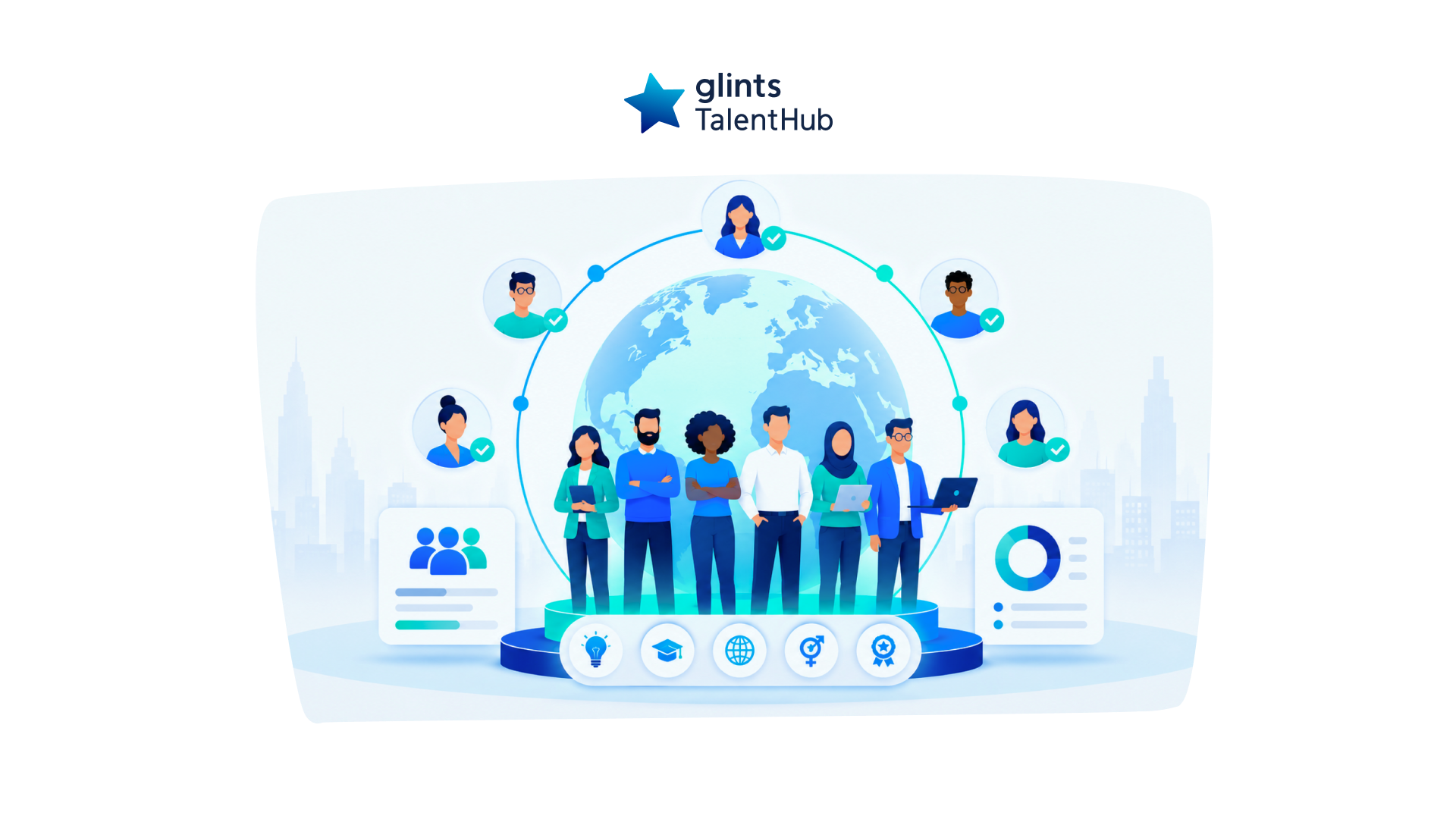
- Access pre-vetted talent across Southeast Asia
- Hire faster without compromising on quality
- Ensure compliance across different countries
- Reduce operational burden on your internal team
This allows you to focus on building the right team, not just filling roles.
Final Thoughts
Hiring mistakes are rarely random. They’re usually a result of unclear roles, rushed decisions, or limited talent access.
Once you fix these fundamentals, hiring becomes more predictable and scalable. And when your hiring process works, everything else moves faster your team, your output, and your growth.