



Entry-level roles used to be about learning by doing repetitive tasks. Think about data entry, basic reporting, scheduling, or manual research. Now, with tools powered by Artificial Intelligence, much of that work is either automated or significantly reduced.
According to Harvard Business Review, the real risk isn’t job loss alone. It’s something deeper: losing the foundation where future leaders are built.
So instead of cutting entry-level roles, the smarter move is to redesign them.
Why Entry-Level Jobs Still Matter (Even More Now)
Harvard research highlights a critical point, entry-level roles are not just about output. They are where employees:
- Build judgment
- Learn how businesses actually operate
- Develop resilience and decision-making
Removing these roles creates long-term problems:
- Weak leadership pipelines
- Less innovation from fresh perspectives
- A disconnect between strategy and execution
That’s why the focus should shift from eliminating roles to redesigning them for development.
Is Entry-Level Job Hiring Really Declining?
Short answer: yes, but not in a simple way. The decline is real, and the data shows it’s happening fast, especially in tech. But what’s more important is why it’s happening and what it means for your hiring strategy.
According to Ravio’s analysis of the 2025 job market:
- Entry-level hiring dropped by 73% in just one year
- Hiring rates fell from 35% in 2024 to just 8% in 2025
- This decline is far steeper than overall hiring, which only dropped around 7%
This isn’t just a hiring freeze. It’s a structural shift in how companies build teams.
Two things are driving it:
- AI is replacing routine junior tasks like research and reporting
- Companies are prioritizing experienced hires to stay lean and efficient
But here’s the part that matters for you, this doesn’t mean entry-level roles are no longer needed. It means the old version of these roles is fading.
How to Redesign Entry Level in 2026
1. Shift Work from Repetition to Learning
One of the clearest shifts in the AI era is moving away from repetitive tasks toward learning-focused work. Since AI already handles data entry, basic research, and standardized reporting more efficiently, entry-level roles should no longer revolve around these activities.
Instead, juniors should be tasked with interpreting outputs, explaining insights, and connecting their work to real business impact.
2. Use AI as a Tool for Skill Development
AI should not be seen as a threat to entry-level roles, but as a tool to accelerate learning. The key is to let AI handle execution while humans focus on judgment, context, and decision-making.
Entry-level employees should actively engage with AI by reviewing its outputs, identifying potential errors or biases, and enriching results with human context.
3. Focus on Skills, Not Just Productivity
A major risk in adopting AI is over-optimizing for speed at the expense of learning. While productivity may increase, employees can miss out on developing essential skills. To avoid this, roles should be intentionally designed to build critical thinking, communication, and problem-framing abilities.
Instead of assigning tasks purely for completion, companies should encourage evaluation, improvement, and questioning.
4. Redesign Workflows to Elevate Human Value
AI is reshaping how work flows within organizations, making it necessary to rethink how tasks are distributed. Repetitive, low-value activities should be handled by AI, while humans focus on areas that require creativity, judgment, and collaboration.
Entry-level employees should be involved earlier in defining problems, exposed to cross-functional work, and given opportunities to handle situations where human insight matters.
5. Make Development the Core of the Job
Entry-level roles should be intentionally designed around growth and development, not just output. This means giving juniors real responsibilities early on, allowing space for mistakes, and exposing them to different areas of the business.
These experiences play a crucial role in shaping confidence, adaptability, and long-term leadership potential.
6. Rethink the “Experience Gap” Problem
AI tends to benefit experienced professionals more than juniors because senior employees already understand what good output looks like and can better evaluate AI-generated results.
Without proper entry-level roles, organizations risk creating a gap where fewer juniors are developed today, leading to a shortage of experienced talent in the future.
Applying This Across Distributed Teams (Soft Insight)
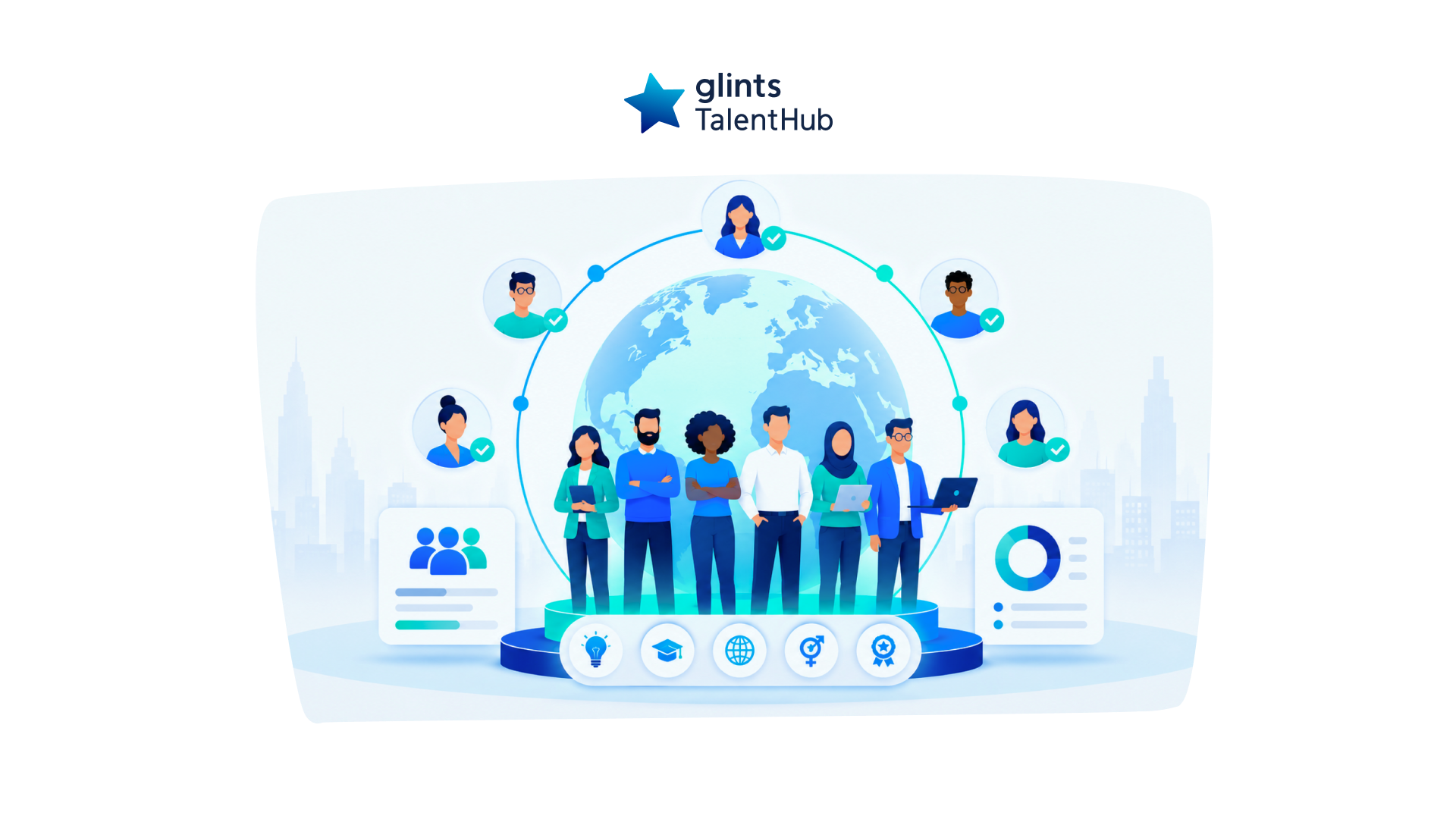
When hiring across multiple countries, redesigning entry-level roles becomes significantly more complex due to differences in training standards, compliance requirements, and role expectations in each region.
These variations can create inconsistencies that make it harder to ensure a unified employee experience and development pathway.
To address this, companies can adopt structured hiring models such as an Employer of Record (EOR), which helps standardize key operational aspects like onboarding, compliance, payroll, and contracts across different markets.
By handling these administrative and legal complexities, an EOR allows organizations to stay focused on what truly matters, designing meaningful roles that support learning, growth, and long-term talent development.
Final Thoughts
AI isn’t eliminating entry-level jobs, it’s revealing which ones no longer make sense. The companies that succeed in the next decade will be those that design roles around skills rather than tasks, embed AI into everyday workflows, prioritize continuous learning and growth, and view junior talent as a source of leverage instead of just labor.
When done right, entry-level roles shift from being a weak point into a powerful competitive advantage.