



Every employee has a journey with your company.
It starts long before their first day and continues through every stage of their experience, from recruitment and onboarding to development, retention, and eventually, exit. For HR teams, understanding this journey is essential because each stage shapes how employees feel, perform, and grow within the organization.
This journey is called the employee’s life cycle.
When managed well, the employee life cycle helps companies attract the right people, create stronger employee experiences, improve retention, and build a more productive workforce.
What is Employee Life Cycle?
The employee life cycle is the full journey an employee goes through with a company, from the moment they first become aware of the employer to the moment they leave the organization.
It covers every major stage of employee experience, including attraction, recruitment, onboarding, development, retention, and separation.
For HR teams, the employee life cycle acts as a framework to understand what employees need at each stage. Instead of treating recruitment, onboarding, performance management, and offboarding as separate activities, HR can connect them into one continuous experience.
For example, a strong employer brand can attract better candidates. A smooth onboarding process can help new hires become productive faster. A clear development plan can improve retention. A thoughtful exit process can protect employer reputation and provide useful feedback for future improvements.
The 6 Key Stages of the Employee Life Cycle
While every company may define the employee life cycle slightly differently, most frameworks include six main stages:
- Attraction
- Recruitment
- Onboarding
- Development
- Retention
- Separation
Each stage plays a different role in shaping the employee experience. Let’s break them down.
1. Attraction
The attraction stage is where potential candidates first learn about your company as an employer.
This can happen through job boards, LinkedIn posts, company websites, employee referrals, employer branding campaigns, online reviews, events, or word of mouth. At this stage, candidates are forming an opinion about whether your company is a place they would want to work.
This stage is not only about looking attractive to candidates. It is also about helping the right candidates see themselves in your company. Clear messaging can reduce mismatched applications and improve the quality of your talent pipeline.
2. Recruitment
The recruitment stage begins when a candidate applies for a role and continues until the company makes a hiring decision.
This stage includes job posting, screening, interviews, assessments, reference checks, salary discussions, offer management, and employment contract preparation.
Recruitment is one of the most visible parts of the employee life cycle because it shapes the candidate’s first direct experience with your company. A slow, unclear, or inconsistent hiring process can cause strong candidates to drop out. A structured and respectful process can build trust even before the person joins.
At this stage, HR teams need to balance speed, quality, fairness, and compliance.
3. Onboarding
Onboarding is the process of helping new employees settle into the company, understand their role, and become productive.
It usually begins once the candidate accepts the offer and continues through the first few weeks or months of employment. A good onboarding experience helps employees feel welcomed, prepared, and confident in their new role.
Onboarding is more than sending a welcome email or sharing a company handbook. It should help new hires understand how the company works, who they need to collaborate with, what success looks like, and where they can get support.
Poor onboarding can lead to confusion, low engagement, and early turnover. Strong onboarding can shorten the time it takes for employees to contribute meaningfully.
4. Development
The development stage focuses on helping employees grow their skills, improve performance, and progress in their careers.
This stage includes training, coaching, performance reviews, individual development plans, mentorship, internal mobility, and leadership development.
Employees are more likely to stay with a company when they can see a future there. Development gives employees a clearer path to improve, contribute, and take on new opportunities.
5. Retention
Retention is the stage where companies focus on keeping employees engaged, motivated, and committed to the organization.
This stage is shaped by many factors, including compensation, benefits, manager quality, career growth, workload, recognition, workplace culture, flexibility, and trust in leadership.
Retention does not begin only when employees show signs of leaving. It should be built into full employee experience from the start.
6. Separation
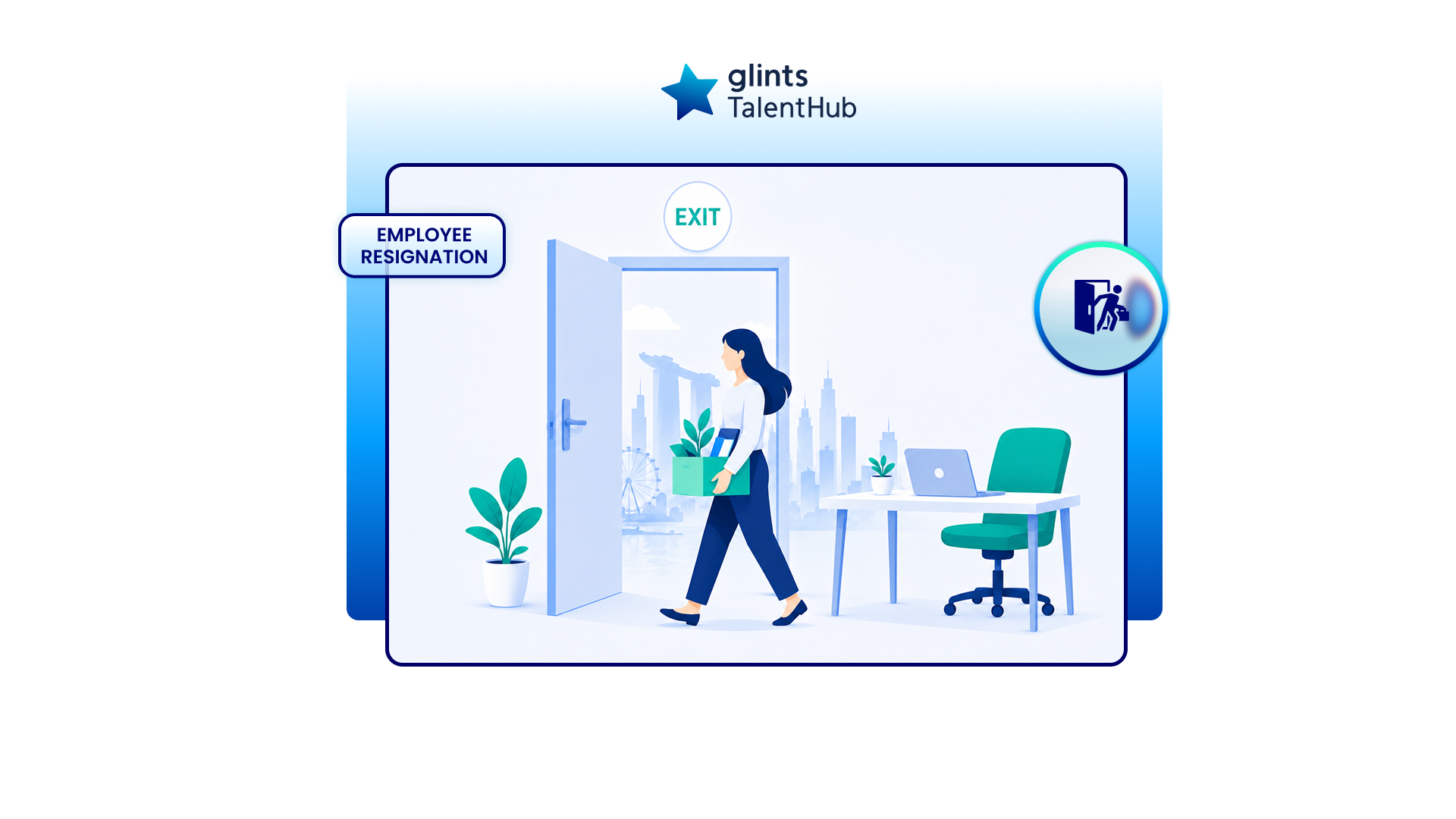
Separation is the final stage of the employee’s life cycle, where an employee leaves the company.
This can happen through resignation, retirement, contract completion, redundancy, termination, or internal restructuring. While this stage can be sensitive, it is still an important part of employee experience.
A respectful separation process helps protect the company’s reputation, maintain positive relationships, and gather useful feedback. Former employees can become future clients, partners, referrals, or even returning employees.
Employee Life Cycle Example
Here is a simple example of how the employee’s life cycle works in practice.
A software company wants to hire a remote product designer in Southeast Asia.
- During the attraction stage, the company promotes its remote friendly culture and regional hiring opportunities on LinkedIn and its careers page.
- During recruitment, the HR team screens candidates, runs design assessments, interviews shortlisted applicants, and prepares a compliant employment offer.
- During onboarding, the new hire receives equipment, system access, a 30 day onboarding plan, and regular check ins with their manager.
- During development, the employee joins design training, receives feedback, and works toward a senior designer path.
- During retention, the company reviews compensation, supports flexible work, and includes the employee in regional team rituals.
- During separation, if the employee eventually leaves, HR manages final pay, handover, exit feedback, and access removal properly.
This example shows how each stage connects to the next. A good employee experience is not created by one single HR activity, but by consistent support across the full journey.
Managing the employee life cycle becomes more complex when your team grows across different countries. From compliant contracts and payroll to onboarding and employee administration, small gaps can quickly create bigger HR risks. If you are building teams across Southeast Asia, Glints TalentHub can help you hire, onboard, pay, and manage talent more smoothly through one integrated solution.
Common Employee Life Cycle Challenges
Managing the employee life cycle can be complex, especially as companies grow. HR teams often need to coordinate with hiring managers, finance, legal, payroll, IT, and leadership.
Some common challenges include unclear hiring requirements, slow recruitment processes, inconsistent onboarding, limited career development, poor manager communication, low engagement, and weak offboarding practices.
For companies hiring across countries, the challenges can become even more layered. HR teams may need to manage different employment laws, payroll schedules, statutory benefits, tax requirements, contract standards, and cultural expectations.
This is why many companies start building stronger HR processes before scaling their teams further. A clear employee life cycle framework gives HR teams a practical way to identify gaps and improve the employee experience step by step.
How HR Teams Can Improve the Employee Life Cycle
Improving the employee life cycle does not always require a complete HR transformation. Many improvements start with better clarity, consistency, and communication.
HR teams can begin by mapping the current employee journey. Look at each stage and ask what employees experience, what they need, what gaps exist, and which teams are responsible.
For example, if new hires often feel lost in their first month, the onboarding process may need stronger manager guidance. If employees leave because of limited growth, the company may need clearer career paths or development plans. If candidates drop out during hiring, the recruitment process may be too slow or unclear.
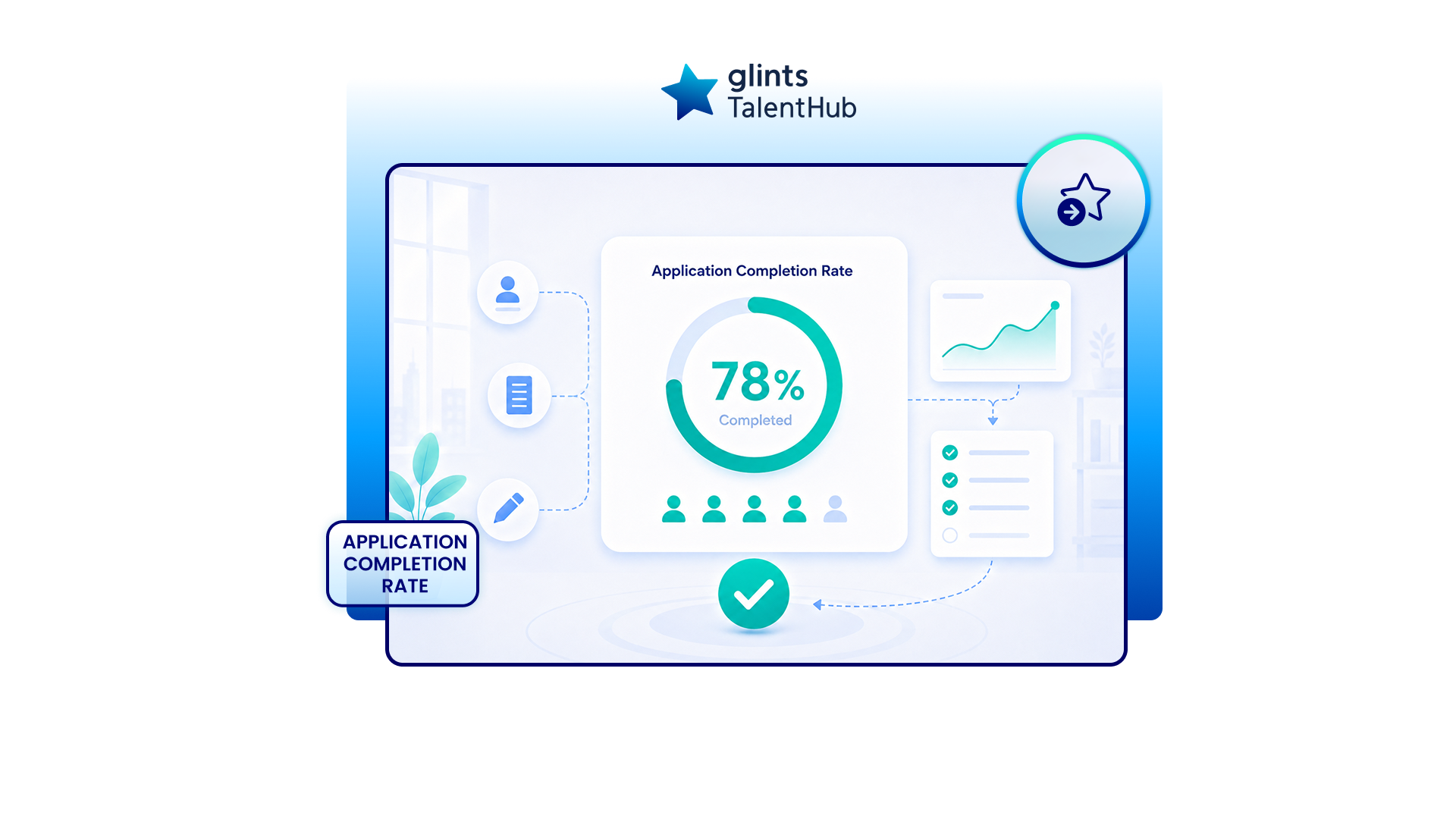
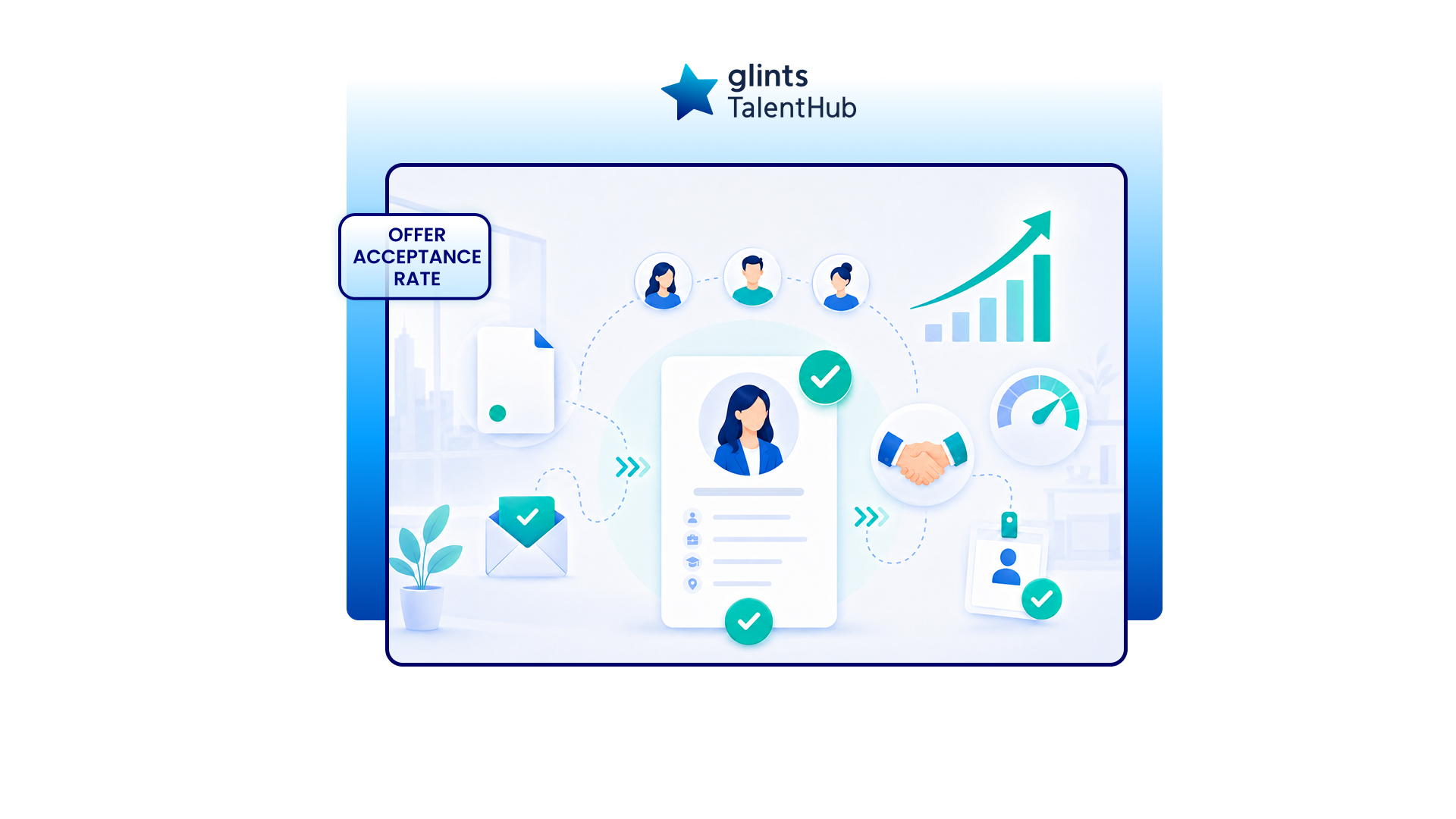
It also helps to track key HR metrics across the life cycle. These may include time to hire, offer acceptance rate, onboarding completion rate, employee engagement score, performance review completion, internal mobility rate, turnover rate, and exit feedback themes.
The goal is not to measure everything. The goal is to understand where employees may be facing friction and where HR can create a better experience.
Employee Life Cycle and Global Hiring
For companies hiring in different countries, the employee life cycle becomes more complex because each stage may involve local compliance requirements.
Recruitment may require market specific salary benchmarks. Onboarding may involve local employment contracts, statutory benefits, and payroll registration. Retention may depend on country specific benefits expectations. Separation may require local notice period, severance, or final pay compliance.
This is where global payroll, Employer of Record, or PEO support can help companies manage the operational side of the employee life cycle more smoothly.
For example, if a company wants to hire talent in Southeast Asia without setting up a local entity, an Employer of Record can help manage compliant employment, payroll, benefits, contracts, and HR administration. This allows the company to focus on building the team while reducing the complexity of local employment requirements.
For companies that already have a local entity, a PEO can support HR operations such as payroll, benefits administration, compliance, and employee management.
As teams become more distributed, HR teams need both strong employee experience practices and reliable operational support. The two work together to create a smoother employee life cycle.
Final Thoughts
The employee life cycle helps HR teams understand the full employee journey, from first impression to final goodbye.
Each stage matters. Attraction brings the right people into your talent pipeline. Recruitment shapes candidate trust. Onboarding helps new hires settle in. Development supports growth. Retention keeps employees engaged. Separation closes the journey professionally.
When HR teams manage these stages intentionally, employees get a clearer, more supportive experience. Companies also benefit from stronger hiring outcomes, better engagement, lower turnover, and a more scalable people strategy.
For growing businesses, especially those hiring across Southeast Asia or managing remote teams, the employee life cycle is more than an HR framework. It is a practical guide to building teams that can grow sustainably, compliantly, and confidently.