


Form IR8A is the annual employer tax form used to report an employee’s employment income to IRAS in Singapore. Employers under the Auto Inclusion Scheme must submit employee income information electronically to IRAS by 1 March each year, while employers not under AIS must provide hardcopy IR8A forms and relevant appendices to employees by the same deadline.
For employers, IR8A filing is more than an annual tax task. It helps employees file their personal income tax correctly, reduces payroll related errors, and keeps the business aligned with Singapore employer tax reporting requirements.
What is Form IR8A?
Form IR8A is used by employers in Singapore to report remuneration paid to employees during the previous calendar year. This includes salary, bonuses, allowances, commissions, director fees, pension, and other taxable employment income.
Employers are required by law to prepare Form IR8A and, where applicable, Appendix 8A, Appendix 8B, or Form IR8S for employees who are employed in Singapore by 1 March of the year after the income is earned. IRAS also states that employers do not need to submit hardcopy forms to IRAS.
Who Needs to File IR8A?
Employers in Singapore generally need to prepare IR8A for employees who received employment income during the reporting year.
This includes:
- Full time resident employees
- Part time resident employees
- Non resident employees who rendered services in Singapore
- Company directors, including non resident directors
- Board or committee members receiving fees
- Pensioners
- Former employees who received income in the reporting year, such as stock option gains
IRAS requires AIS employers to submit employment income information for all employees electronically. This includes foreign employees and expatriates who received income for employment services rendered in Singapore.
Who Must Join the Auto Inclusion Scheme?
Under AIS, employers submit employee income information directly to IRAS. The submitted income will then be automatically included in the employee’s income tax return.
AIS submission is mandatory for employers who:
- Had 5 or more employees in the relevant reporting year
- Received a Notice to File Employment Income of Employees Electronically
- Were already registered for AIS and remained registered
For Year of Assessment 2026, IRAS states that AIS is mandatory for employers who had 5 or more employees in 2025, received a notice to file electronically, or were registered for AIS on or before 1 March 2026 and remained registered as of that date.
IR8A Filing Deadline
The IR8A deadline is 1 March each year.
For AIS employers, employee income information must be submitted electronically to IRAS by 1 March. Late AIS submission may lead to a fine of up to S$5,000.
For employers not under AIS, the completed hardcopy Form IR8A and relevant appendices must be given to employees by 1 March so employees can use the information for their personal tax filing. These employers do not need to submit the forms to IRAS unless requested.
Which IR8A related forms do employers need?
Form IR8A
Form IR8A must be prepared for all employees who received reportable employment income. This is the main form used to report remuneration such as salary, bonuses, allowances, commissions, director fees, and other employment income.
Appendix 8A
Appendix 8A is required when an employee receives benefits in kind. This may include taxable non cash benefits such as housing benefits, car benefits, or other employer provided benefits that need to be reported. IRAS states that Appendix 8A must be completed for employees who were provided with benefits in kind.
Appendix 8B
Appendix 8B is required when an employee derives gains or profits from Employee Stock Option plans or other Employee Share Ownership plans.
Form IR8S
Form IR8S is only applicable where relevant for years prior to Year of Assessment 2026. For current employer filing, employers should focus on IR8A, Appendix 8A, and Appendix 8B where applicable.
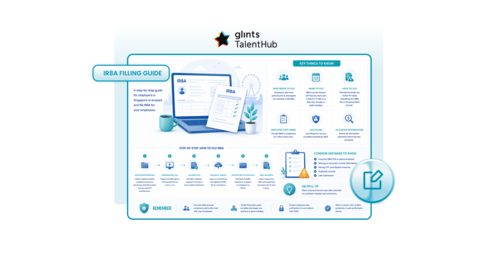
How to File IR8A Under AIS
Employers under AIS can submit employment income records electronically through payroll software or myTax Portal.
IRAS encourages employers to use payroll software integrated with the AIS API service, especially if they already manage payroll through software. Employers using in house payroll systems may also refer to IRAS technical specifications to assess whether their system can support API integration.
A practical filing process usually looks like this:
- Confirm whether the company is under AIS
- Prepare the full employee list for the reporting year
- Check salary, bonus, allowance, commission, CPF, and deduction records
- Identify employees who need Appendix 8A or Appendix 8B
- Exclude cases where tax clearance has already been completed through Form IR21, where applicable
- Submit the records through payroll software or myTax Portal
- Check submission status
- Inform employees whether their income has been auto included
What Should Employees do After IR8A Submission?
For AIS employers, employees should not manually enter the same employment income in their income tax return because the information will already be pre filled by IRAS. AIS employers also do not need to issue hardcopy IR8A and appendices to employees, although they may still provide a separate statement of earnings for employee records.
For employers not under AIS, employees will need the hardcopy IR8A and relevant appendices to complete their own income tax filing.
IR8A and Form IR21: What is The Difference?
IR8A is used for annual employment income reporting. Form IR21 is used for tax clearance when certain non Singapore Citizen employees cease employment, go on overseas posting, or plan to leave Singapore for more than 3 months.
IRAS states that employers are generally responsible for filing Form IR21 and withholding monies due to the employee for tax clearance purposes when a non Singapore Citizen employee, including a foreign employee or Singapore Permanent Resident, ceases employment in Singapore, goes on overseas posting, or plans to leave Singapore for more than 3 months.
If tax clearance has already been filed and assessed for a foreign employee who ceased employment, employers generally do not need to submit the same income information again under AIS. If additional income has not yet been reported, the employer should submit an additional Form IR21 for that income.
Common IR8A Filing Mistakes Employers Should Avoid
1. Missing Former Employees
Employees who left the company may still need to be included if they received income during the reporting year. For example, a former employee may receive a final bonus, commission, or stock option gain after leaving.
2. Forgetting Directors and Board Members
IR8A reporting is not limited to regular employees. Company directors, non resident directors, board members, and committee members who receive fees may also need to be included.
3. Reporting The Same Foreign Employee Income Twice
If Form IR21 has already been filed and assessed for a foreign employee, the same income generally should not be reported again through AIS. Employers should check tax clearance status carefully before submission.
4. Missing Benefits in Kind
If employees receive taxable benefits in kind, Appendix 8A may be required. This is a common area where employers make errors because benefits are not always captured in the same payroll fields as salary or bonus.
5. Missing Stock Option or Share Plan Gains
If employees receive gains from stock options or employee share ownership plans, Appendix 8B may be required. Employers should coordinate with finance, HR, and equity administration teams before filing.
6. Waiting Until The Deadline
IR8A filing often requires information from payroll, HR, finance, and sometimes legal teams. Starting only in late February increases the risk of missing income items, submitting incorrect figures, or needing amendments after submission.
Managing Payroll and Tax Reporting Across Markets?
IR8A filing is one part of staying compliant as an employer in Singapore. But when your team grows across different countries, payroll, tax reporting, benefits, onboarding, and employment rules can quickly become harder to manage.
Glints TalentHub helps companies manage employment, payroll, compliance, onboarding, and HR administration across borders, so you can support your team with more confidence.
Speak with Glints TalentHub to simplify how you manage regional employment and payroll compliance.
What if you Made a Mistake After Submission?
If an AIS employer submits incorrect employee income information, the employer may need to file an amendment.
IRAS states that immediate amendment is necessary for errors involving employee IDs, income, deductions, or income indicators that affect taxability, such as remission or overseas indicators. For other errors, employers may use IRAS’ Amendment Checker to determine whether an amendment submission is required.
IR8A Filing Checklist for Employers
Use this checklist before submitting:
1. Confirm whether your company is under AIS
2. Check whether all employees, directors, board members, pensioners, and relevant former employees are included
3. Review gross salary, bonus, commission, allowance, director fee, and deduction amounts
4. Identify employees who need Appendix 8A for benefits in kind
5. Identify employees who need Appendix 8B for stock option or share ownership gains
6. Check foreign employee cases where Form IR21 may already apply
7. Validate employee identification details
8. Submit by 1 March
9. Check submission status
10. Keep records for audit and employee queries
Managing IR8A Filing Across Regional Teams
IR8A filing is straightforward when employee records, payroll data, benefits, and tax clearance information are all kept properly. It becomes more complex when employers manage employees across multiple markets, multiple entities, or different hiring models.
For companies hiring and managing talent across Southeast Asia and beyond, Glints TalentHub helps employers manage payroll, compliance, onboarding, employment administration, and workforce operations through one clearer operating model. This gives HR teams better visibility over employee records, local payroll obligations, and employer compliance timelines, especially when teams are distributed across countries.
FAQs about IR8A Filing
Is IR8A compulsory in Singapore?
Yes. Employers are required to prepare Form IR8A for employees who are employed in Singapore by 1 March of the year after the income is earned. Employers under AIS must submit employee income information electronically to IRAS.
Do employers need to give employees a hardcopy IR8A?
AIS employers do not need to issue hardcopy Form IR8A and appendices to employees because the income information is submitted electronically and auto included in employees’ tax returns. Employers not under AIS must provide hardcopy Form IR8A and relevant appendices to employees by 1 March.
What is the deadline for IR8A filing?
The deadline is 1 March each year. AIS employers must submit electronically to IRAS by this date, while non AIS employers must provide hardcopy forms to employees by this date.
What happens if an employer files IR8A late?
For AIS employers, late submission may lead to a fine of up to S$5,000.
Do foreign employees need to be included in IR8A?
Foreign and expatriate employees must generally be included if they received income for employment services rendered in Singapore. However, if tax clearance has already been filed and assessed through Form IR21, the same income generally does not need to be submitted again through AIS.
What is the difference between IR8A and Appendix 8A?
IR8A reports employment income. Appendix 8A reports benefits in kind provided to employees. Appendix 8A is only needed when applicable.
What is the difference between IR8A and Appendix 8B?
IR8A reports employment income. Appendix 8B is used when employees derive gains or profits from Employee Stock Option plans or other Employee Share Ownership plans.
Conclusion
IR8A filing is an important annual responsibility for employers in Singapore. By preparing accurate employee income records, checking whether AIS applies, submitting the right forms, and meeting the 1 March deadline, employers can support smoother tax filing for employees and reduce the risk of compliance issues.
For HR and payroll teams, the key is to stay organised throughout the year. Keep salary, bonus, allowance, benefit, stock option, and foreign employee tax clearance records updated so IR8A filing does not become a last minute task.
As companies hire and manage teams across more markets, employer tax reporting can become more complex. Glints TalentHub helps businesses manage employment, payroll, compliance, onboarding, and workforce administration across borders, giving employers a clearer way to stay compliant while supporting their growing teams.