


As companies grow, keeping everyone aligned on goals, priorities, and company updates becomes increasingly challenging. Teams may work across different departments, locations, or even countries, making clear communication essential.
One way organizations maintain transparency and alignment is through an all hands meeting. These meetings bring together employees from across the company to discuss business updates, celebrate achievements, and ensure everyone understands the organization’s direction.
In this article, we’ll explain what an all hands meeting is, its purpose, key benefits, and best practices for running one effectively.
What is an All Hand Meeting?
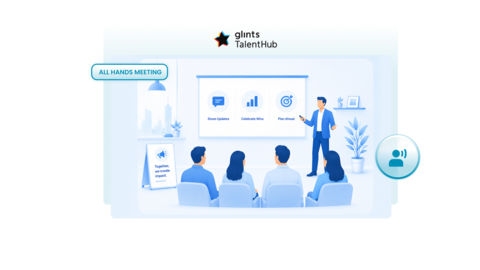
An all hands meeting is a company wide meeting attended by employees across different teams, departments, and seniority levels.
The term “all hands” comes from the expression “all hands on deck”, which refers to everyone coming together to support a shared objective.
During an all hands meeting, company leaders typically provide updates on business performance, strategic priorities, organisational changes, major projects, and employee achievements. Employees may also have opportunities to ask questions and hear directly from senior leadership.
What is the Purpose of an All Hands Meeting?
The main purpose of an all hands meeting is to create alignment across the organisation. Common objectives include the following.
1. Sharing Company Updates
Leaders can communicate important developments such as new product launches, market expansion, financial performance, customer milestones, leadership changes, or operational updates.
Sharing these updates in one meeting helps reduce inconsistencies and ensures that employees receive the same core message.
2. Aligning Employees With Business Priorities
An all hands meeting helps employees understand the organisation’s current priorities.
For example, a company may be focusing on improving customer retention, entering a new market, launching a new service, or reducing operational costs. Leaders can explain why the priority matters and what different teams are expected to contribute.
3. Increasing Leadership Visibility
Employees may have limited interaction with senior leaders, especially in large, remote, or geographically distributed organisations.
All hands meetings give leaders a regular opportunity to communicate directly with the wider workforce. This can make leadership feel more accessible and help employees understand how decisions are made.
4. Encouraging Open Communication
Many all hands meetings include a question and answer session where employees can raise concerns or request clarification.
When leaders respond openly and honestly, employees may feel more comfortable sharing feedback and asking difficult questions.
5. Recognising Employee Contributions
All hands meetings can also be used to celebrate achievements.
Companies may recognise teams that completed an important project, employees who demonstrated company values, or individuals who reached major performance milestones.
Public recognition helps employees see that their contributions are noticed and appreciated.
All Hands Meeting Versus Town Hall Meeting
The terms all hands meeting and town hall meeting are often used interchangeably. Both describe meetings where leaders communicate with a broad employee audience.
However, some organisations make a small distinction between them.
An all hands meeting often focuses on structured company updates, performance, strategy, and employee recognition. A town hall meeting may place greater emphasis on open discussion, questions, and employee participation.
In practice, the format depends on the company. A meeting can include elements of both, such as a business update followed by an open question and answer session.
The meeting name matters less than whether employees find the session relevant, clear, and useful.
How to Run an Effective All Hands Meeting
A successful meeting requires more than gathering everyone on the same call. The content, delivery, and follow up all influence whether employees find the session valuable.
1. Define a Clear Objective
Before preparing the agenda, decide what employees should understand or do after the meeting.
For example, the objective may be to explain a new company strategy, review quarterly performance, prepare employees for organisational change, or celebrate an important milestone.
A clear objective prevents the meeting from becoming a collection of unrelated updates.
2. Keep the Agenda Focused
Employees do not need every operational detail from every department.
Prioritise information that is relevant to the wider organisation. Detailed project discussions should usually remain within team specific meetings.
A focused agenda might include:
- Company performance
- Strategic priorities
- Major organisational updates
- Team achievements
- Employee questions
- Next steps
3. Explain the Context Behind Decisions
Employees want to understand why decisions are being made.
For example, instead of only announcing that the company is entering a new market, explain the customer demand, business opportunity, potential risks, and expected impact on different teams.
Context helps employees connect leadership decisions with the company’s strategy.
4. Use Clear and Accessible Language
Avoid excessive corporate terminology, unexplained financial language, and highly technical presentations.
Employees from different roles should be able to understand the main messages. Use simple explanations, practical examples, and visuals where appropriate.
5. Involve Different Speakers
An all hands meeting should not always be presented by the same executive.
Invite department leaders, project owners, customer facing employees, or team members to share updates. This introduces different perspectives and makes the meeting feel more representative of the organisation.
6. Make the Meeting Interactive
Employee participation can make the session more engaging.
Companies may use live polls, short surveys, chat responses, employee presentations, or questions submitted in advance.
Interaction should support the purpose of the meeting rather than becoming a distraction.
7. Leave Enough Time for Questions
A question and answer session should not be treated as an optional activity that is removed when earlier presentations run long.
Reserve a specific amount of time for employee questions. When a question cannot be answered immediately, acknowledge it and provide a clear commitment for follow up.
8. Address Difficult Topics Honestly
Employees may ask questions about job security, financial performance, leadership decisions, compensation, or organisational changes.
Leaders should avoid dismissing difficult questions. When information cannot be shared because it is confidential or still being finalised, explain that clearly rather than giving a vague response.
Honest communication builds more trust than an overly polished answer.
9. Make the Meeting Inclusive
For global or hybrid teams, consider time zones, accessibility, language differences, and internet connectivity.
Record the meeting for employees who cannot attend. Provide captions, presentation materials, and a written summary of key decisions.
Companies with teams across several regions may alternate meeting times so that the same employees are not always required to join outside normal working hours.
10. Follow Up After the Meeting
Important information should not exist only within a live meeting.
Send employees a summary containing major announcements, decisions, action items, and unanswered questions. Share the recording and presentation materials in an accessible internal location.
Follow up also shows employees that their questions and feedback were taken seriously.
Common All Hands Meeting Mistakes
Even well intentioned meetings can become ineffective when they are too long, repetitive, or disconnected from employee concerns.
1. Sharing Too Much Information
Presenting too many metrics and updates can make it difficult for employees to identify what matters.
Focus on the information that employees need to understand the company’s direction and priorities.
2. Making the Meeting One Way
A meeting where leaders speak continuously without employee participation may feel like a presentation rather than a company conversation.
Include opportunities for questions, feedback, and involvement.
3. Avoiding Negative News
Only discussing positive developments can reduce credibility, particularly when employees are already aware of business challenges.
A balanced update should acknowledge problems while explaining what the company is doing to address them.
4. Using the Meeting for Detailed Team Updates
An all hands meeting is not the right place for highly detailed project reviews that are relevant to only a small group.
Keep the content at a company wide level and move technical discussions into separate sessions.
5. Failing to Act on Employee Feedback
Employees may stop asking questions if they believe leadership will not respond or take action.
Track recurring concerns and communicate what has changed as a result of employee input.
6. Holding Meetings Without a Clear Purpose
An all hands meeting should not be held simply because it appears on the calendar.
When there are few major announcements, the meeting can focus on employee questions, team learning, customer stories, or strategic discussion. Every session should provide clear value.
Build Stronger Alignment Across Growing Teams
Running effective all hands meetings becomes more important as your company grows across teams, functions, and markets. Employees need clear communication from leadership, but they also need the right support systems behind them, especially when teams are distributed across different countries.
For companies hiring across Southeast Asia, this can become more complex. Different employment laws, payroll requirements, onboarding processes, and local expectations can make workforce management harder to coordinate at scale.
Glints TalentHub helps companies source, hire, onboard, pay, and manage Southeast Asian professionals through one unified talent operations solution. From compliant hiring to ongoing talent management, you can build regional teams with greater confidence while keeping employees aligned with your company goals.
With the right people operations foundation in place, all hands meetings become more than company updates. They become a meaningful way to keep every employee connected, informed, and moving in the same direction.
Conclusion
An all hands meeting can help employees understand company priorities, connect with leadership, and see how their work contributes to wider business goals.
The most effective meetings are transparent, focused, inclusive, and interactive. Leaders communicate both achievements and challenges, employees have meaningful opportunities to ask questions, and important information is followed by clear actions.