


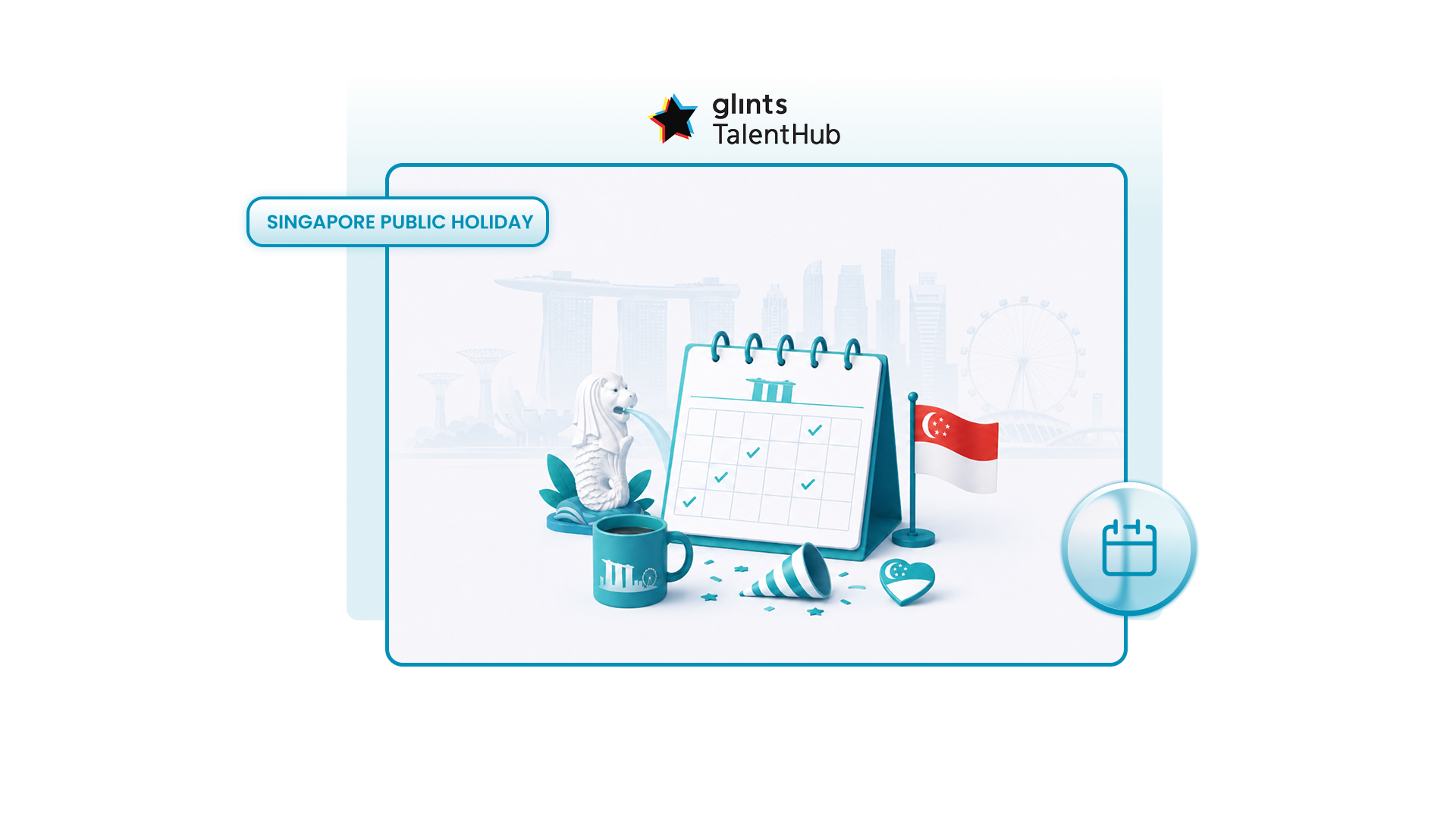
Singapore has 11 gazetted public holidays in 2026, covering New Year’s Day, Chinese New Year, Hari Raya Puasa, Good Friday, Labour Day, Hari Raya Haji, Vesak Day, National Day, Deepavali, and Christmas Day. For employers, these dates are important for workforce scheduling, payroll planning, leave approval, and public holiday pay compliance. The 2026 public holiday dates below are based on Singapore’s Ministry of Manpower official public holiday calendar.
Singapore Public Holidays 2026 at a Glance
| Date | Day | Public holiday |
|---|---|---|
| 1 January 2026 | Thursday | New Year’s Day |
| 17 February 2026 | Tuesday | Chinese New Year |
| 18 February 2026 | Wednesday | Chinese New Year |
| 21 March 2026 | Saturday | Hari Raya Puasa |
| 3 April 2026 | Friday | Good Friday |
| 1 May 2026 | Friday | Labour Day |
| 27 May 2026 | Wednesday | Hari Raya Haji |
| 31 May 2026 | Sunday | Vesak Day |
| 9 August 2026 | Sunday | National Day |
| 8 November 2026 | Sunday | Deepavali |
| 25 December 2026 | Friday | Christmas Day |
Which Public Holidays Fall on Weekends in 2026?
Several Singapore public holidays fall on weekends in 2026. Hari Raya Puasa falls on Saturday, 21 March 2026. Vesak Day falls on Sunday, 31 May 2026. National Day falls on Sunday, 9 August 2026. Deepavali falls on Sunday, 8 November 2026.
For holidays that fall on a rest day, the next working day will be treated as a paid public holiday. MOM lists Monday, 1 June 2026 for Vesak Day, Monday, 10 August 2026 for National Day, and Monday, 9 November 2026 for Deepavali when the employee’s rest day falls on the holiday.
Singapore Public Holiday Planning Tips for Employers in 2026
Public holidays are not only calendar dates. They affect manpower planning, payroll calculations, employee expectations, and leave approvals. Employers should plan ahead for weeks where public holidays may create shorter workweeks or higher leave demand.
1. Plan Early for Chinese New Year
Chinese New Year falls on Tuesday, 17 February and Wednesday, 18 February 2026. Many employees may request leave on Monday, 16 February or Thursday, 19 February to create a longer break. Employers should confirm leave approval rules early, especially for customer support, operations, logistics, hospitality, and regional teams.
2. Watch the Friday Public Holidays
Good Friday, Labour Day, and Christmas Day all fall on Fridays in 2026. These dates create natural long weekends for employees on a Monday to Friday schedule. Employers can expect higher leave demand around Thursday or the following Monday.
3. Check Weekend Holiday Treatment Carefully
For employees covered by the Employment Act, a public holiday that falls on a rest day means the next working day will be a paid public holiday. If the holiday falls on a non working day, employees are entitled to another day off or one extra day’s salary in lieu.
4. Review Payroll Treatment Before the Holiday Month
Payroll teams should confirm whether employees are working on a public holiday, taking time off in lieu, receiving an extra day’s salary, or receiving another day off. This helps avoid underpayment, overpayment, and disputes after payroll has closed.
5. Communicate Holiday Coverage Clearly
If your business needs coverage during public holidays, share the work schedule early. Employees should know who is required to work, what compensation applies, and whether any replacement day off will be granted.
What Must Employers do on Public Holidays?
Employers in Singapore must treat public holidays carefully because they affect rest days, salary, leave records, and payroll calculations. Under the Employment Act, employees covered by the Act are entitled to 11 paid public holidays each year.
If an employee is required to work on a public holiday, the employer must provide the correct compensation, either through additional salary or an agreed day off in lieu.
1. Provide a Paid Day Off on Public Holidays
Public holidays should generally be treated as paid days off for eligible employees. If a public holiday falls on an employee’s rest day, the next working day becomes a paid public holiday. If it falls on a non working day, such as Saturday for employees on a five day work week, the employee should receive either another day off or one extra day’s salary at the gross rate of pay.
This means employers should not assume that weekend public holidays have no payroll impact. The correct treatment depends on whether that day is the employee’s rest day, non working day, or normal working day.
2. Pay Employees Correctly If They Work on a Public Holiday
If an employee works on a public holiday, the default rule is that the employer should pay an additional day’s salary. MOM states that employees who are required to work on a public holiday should be paid an extra day’s salary at the basic rate of pay. For monthly rated employees, the monthly gross salary already includes payment for the holiday, so the employer usually needs to pay the additional day’s pay.
Employers and employees may also mutually agree to substitute the public holiday with another working day. For employees not covered under Part 4 of the Employment Act, time off in lieu may also be granted based on a mutually agreed number of hours.
3. Calculate Public Holiday Pay for Part Time Employees on a Pro Rated Basis
Part time employees covered by the Employment Act are also entitled to paid public holidays. Their public holiday pay should be calculated based on their working hours compared with a similar full time employee.
The formula is:
(Number of working hours per year of the part time employee ÷ Number of working hours per year of a similar full time employee) × Number of public holidays for a similar full time employee × Number of working hours in a day of a similar full time employee
For example, if a part time employee works 22 hours per week and a similar full time employee works 44 hours per week, the calculation would be:
(22 × 52) ÷ (44 × 52) × 11 public holidays × 8 hours = 44 hours of public holiday pay for the year
This means the part time employee should receive 4 hours of pay for each public holiday, calculated as 44 hours ÷ 11 public holidays.
4. Do NOT Count Public Holidays as Annual Leave Days
If a public holiday falls during an employee’s approved annual leave period, that public holiday should not be deducted from the employee’s annual leave balance. Public holidays are separate paid entitlements under the Employment Act, while annual leave is a separate statutory leave entitlement for eligible employees who have worked for at least three months.
For example, if an employee applies for annual leave from Monday to Friday and Wednesday is a public holiday, only four days should be counted as annual leave. The public holiday should remain treated as a paid public holiday, not as annual leave.
Are Employees Entitled to Paid Public Holidays in Singapore?
Employees covered by Singapore’s Employment Act are entitled to 11 paid public holidays each year. MOM states that if an employee is required to work on a public holiday, the employer should pay an extra day’s salary or grant off in lieu, depending on the employee’s coverage and mutual agreement.
What Happens If an Employee Works on a Public Holiday?
If an employee works on a public holiday that falls on a working day, they are generally entitled to the gross rate of pay for that holiday plus an extra day’s salary at the basic rate of pay. If they work beyond normal working hours, overtime pay may also apply where relevant.
Employers and employees may also mutually agree to substitute a public holiday for another working day. For employees not covered under Part 4 of the Employment Act, employers may grant time off in lieu based on a mutually agreed number of hours.
What Happens If a Public Holiday Falls on a Saturday or Sunday?
The treatment depends on whether the day is considered a rest day or a non working day for the employee.
If a public holiday falls on a rest day, the next working day will be a paid public holiday. If it falls on a non working day, the employee is entitled to another day off or one extra day’s salary in lieu. MOM gives the example that for a five day work week, Saturday is usually a non working day and Sunday is usually a rest day.
This distinction matters because not every weekend public holiday is treated in exactly the same way for every employee. Employers should check each employee’s work arrangement, rest day, and contract terms before deciding the correct replacement benefit.
How Employers Can Prepare for Singapore Public Holidays in 2026
To manage public holidays smoothly, employers should update the company leave calendar, check payroll rules, review staffing needs, and communicate holiday arrangements early.
A practical checklist includes:
- Add all 2026 public holidays to your HR and payroll system
- Identify holidays that fall on weekends
- Confirm each employee’s rest day and non working day
- Review public holiday pay rules before payroll cut off
- Plan shift coverage for business critical teams
- Communicate leave approval timelines before peak holiday periods
- Keep records of replacement days off, time off in lieu, and additional salary payments
Managing Public Holidays Across Singapore and The Region
Public holiday rules can become more complex when employers manage teams across multiple countries. Each market may have different rules for paid holidays, replacement holidays, overtime, payroll cut offs, statutory contributions, and leave records.
For companies managing employees across Singapore and Southeast Asia, Glints TalentHub helps simplify employment, payroll, compliance, onboarding, and HR administration through one unified support model. This gives your team a clearer way to manage local requirements while staying focused on business growth.
Frequently Asked Questions about Singapore Public Holidays 2026
How many public holidays are there in Singapore in 2026?
Singapore has 11 gazetted public holidays in 2026, according to the Ministry of Manpower.
Is Chinese New Year a two day public holiday in Singapore?
Yes. In 2026, Chinese New Year falls on Tuesday, 17 February and Wednesday, 18 February.
Is National Day a public holiday in 2026?
Yes. National Day falls on Sunday, 9 August 2026. MOM states that Monday, 10 August 2026 will be a public holiday if the employee’s rest day falls on 9 August 2026.
Do employees get paid for public holidays in Singapore?
Employees covered by the Employment Act are entitled to 11 paid public holidays each year. Holiday pay rules may depend on whether the employee works on the holiday, whether the holiday falls on a rest day or non working day, and whether the employee was absent before or after the holiday without consent or reasonable excuse.
What should employers do if employees work on a public holiday?
Employers should check whether extra salary, a replacement public holiday, or time off in lieu applies. MOM states that employees required to work on a public holiday should generally receive an extra day’s salary at the basic rate of pay.
Conclusion
Singapore’s 2026 public holidays give employers a clear opportunity to plan leave, payroll, and workforce coverage ahead of time. The most important dates to watch are Chinese New Year in February, the Friday holidays in April, May, and December, and the Sunday holidays that may affect replacement holiday arrangements. By preparing early, employers can support employees better while keeping payroll and compliance processes accurate.